Yara Abdou, MD
Assistant Professor
Department of Oncology
UNC School of Medicine
Chapel Hill, NC
Taiwo Adesoye, MD, MPH
Assistant Professor, Department of Breast Surgical Oncology
Program Director, Breast Surgical Oncology Observer Program
The University of Texas MD Anderson Cancer Center
Houston, TX
Pooja P. Advani, MBBS, MD
Assistant Professor
Department of Hematology and Oncology
Mayo Clinic
Jacksonville, FL
Karen S. Anderson, MD, PhD
Professor of Medicine
Division of Hematology and Oncology
Mayo Clinic
Phoenix, AZ
Marija Balic, MD, PhD
Professor of Medicine
University of Pittsburgh School of Medicine
Pittsburgh, PA
Andrew Brenner, MD, PhD
Professor of Medicine
Division of Hematology and Oncology
UT Health Science Center San Antonio
San Antonio, TX
Adam Brufsky, MD, PhD
Professor of Medicine
Co-Director, Cancer Therapeutics Program
UPMC Hillman Cancer Center
University of Pittsburgh School of Medicine
Pittsburgh, PA
Amina Chaudhry, MD
Clinical Assistant Professor of Medicine
Division of Oncology
Stanford University School of Medicine
Stanford Cancer Institute
Stanford, CA
Katherine Clifton, MD
Associate Professor of Medicine
Division of Oncology
Section of Medical Oncology
WashU Medicine
Saint Louis, MO
Erin F. Cobain
Clinical Associate Professor
Internal Medicine Hematology/Oncology,
University of Michigan Medical School
Ann Arbor, Michigan
Alison Conlin, MD, MPH
Director of Breast Cancer Medical Oncology Program
Providence Cancer Institute
Portland, OR
Massimo Cristofanilli, MD
Professor of Medicine
Weill Cornell Medicine
New York, NY
Brian Czerniecki, MD, PhD
Chair and Senior Member
Department of Breast Oncology
Moffitt Cancer Center
Tampa FL
Oana Danciu, MD
Professor
Division of Hematology and Oncology
College of Medicine
University of Illinois Cancer Center
Chicago, IL
James C. Dickerson, MD, MS
Clinical Assistant Professor, Medicine – Oncology
Stanford University
Palo Alto, CA
Ajay Dhakal
Assistant Professor
Department of Medicine
University of Rochester Medical Center
Rochester, NY
Frederick M. Dirbas, MD
Associate Professor of Surgery and Radiation Oncology
Division of Oncology
Stanford University
Stanford, CA
Milana V. Dolezal, MD, Msci
Clinical Associate Professor of Medicine
Stanford Medicine Cancer Center
Stanford University
Palo Alto, CA
Leif W. Ellisen, MD, PhD
Program Director, Breast Medical Oncology
Professor of Medicine, Harvard Medical School
Clinical Director, Breast and Ovarian Cancer Genetics
Boston, MA
Laura J. Esserman, MD, MBA
Professor
Departments of Surgery and Radiology
UCSF Helen Diller Family Comprehensive Cancer Center
San Francisco, CA
Shridar Ganesan, MD
Physician-Scientist
Professor of Medicine
Director of the Center for Molecular Oncology
NYU Langone Health
New York, NY
Gad Getz, PhD
Professor of Pathology
Harvard Medical School
Investigator
Massachusetts General Hospital
Director of Bioinformatics
Massachusetts General Hospital Cancer Center and Department of Pathology
Paul C. Zamecnik Chair of Oncology
Massachusetts General Hospital Cancer Center
Director, Cancer Genome Computational Analysis and Institute Member
Broad Institute
Boston, MA
Roberto Leon-Ferre, MD
Associate Professor
Department of Hematology and Oncology
Mayo Clinic
Rochester, MN
Antonio Giordano, MD, PhD
Senior Physician
Breast Oncology Center
Dana-Farber Cancer Institute
Boston, MA
Karthik V. Giridhar, MD
Assistant Professor
Mayo Clinic
Rochester, MN
Hadar Goldvaser, MD
Breast Medical Oncologist
Memorial Sloan Kettering Cancer Center
New York, NY
Joshua Gruber, M.D., Ph.D
Department of Internal Medicine
UT Medical Center
Dallas, TX
Kalpna Gupta, PhD
Professor of Medicine
Department of Medicine
Division of Hematology/Oncology
University of California, Irvine
Irvine, CA
Ariella Hanker, PhD
Associate Professor
UT Southwestern Medical Center
Dallas, TX
Norah Lynn Henry, MD, PhD
Daniel F. Hayes MD Breast Cancer Research Professor
Professor and Interim Division Chief
Division of Hematology/Oncology
University of Michigan Rogel Cancer Center
Ann Arbor, MI
Sara Hurvitz, MD, FACP
Senior Vice President and Director
Clinical Research Division, Fred Hutch
Professor
Clinical Research Division, Fred Hutch
Smith Family Endowed Chair in Women’s Health
Fred Hutchinson Cancer Center
Seattle, WA
Toshiaki Iwase, MD, PhD
Associate Professor
University of Hawaii Cancer Center
Honolulu, HI
Jordan E. Jackson, MD
Assistant Professor of Clinical Surgery
School of Medicine
UCSF Department of Surgery
University of California, San Francisco
San Francisco, CA
Adriana Kahn, MD
Assistant Professor of Medicine (Medical Oncology)
Drug Development Department
Yale Cancer Center
New Haven, CT
Nimmi S. Kapoor, MD
Breast Surgical Oncologist
Associate Professor,
Department of Surgery,
Division of Surgical Oncology,
University of California, Los Angeles
David Geffen School of Medicine
Los Angeles, CA
Henry M. Kuerer, MD, PhD, FACS, CMQ
Professor & Executive Director, Breast Programs
Department of Breast Surgical Oncology
The University of Texas MD Anderson Cancer Center
Houston, TX
Kelly E. McCann, MD, PhD
Associate Professor at UC San Diego
Department of Medicine
Division of Hematology and Oncology
UC San Diego
La Jolla, CA
Rita Mukhtar, MD
Professor of Surgery
Division of Surgical Oncology
University of California,
San Francisco, CA
Pamela N. Munster, MD
Professor, Department of Medicine (Hematology/Oncology), UCSF
Director, Early Phase Clinical Trials Unit, UCSF Helen Diller Family Comprehensive Cancer Center
Founder, CSA, Director, Alessa Therapeutics
San Francisco, CA
Kelsey Natsuhara, MD
Assistant Professor
University of California, San Francisco (UCSF)
San Francisco, CA
Yelena Novik, MD
Deputy Director, Bellevue Cancer Center,
Professor
NYU Cancer Center at NYU Langone Medical Center
New York, NY
Coral O. Omene, MD, PhD
Associate Professor of Medicine
Program Director, Breast Cancer Disparities Research
Division of Medical Oncology
Rutgers Cancer Institute
New Brunswick, NJ
Joyce O’Shaughnessy, MD
Professor
Chair, Breast Cancer Research Program
Baylor University Medical Center
Texas Oncology/US Oncology Network
Dallas, TX
Tanmayi Srinivas Pai, MD
Assistant Professor,
Department of Hematology and Medical Oncology
Division of Medical Oncology,
Emory University School of Medicine
Atlanta, GA
Tuya Pal, MD
Professor of Medicine
Division of Genetic Medicine and Clinical Pharmacology
Vanderbilt University Medical Center
Nashville, TN
Mark Pegram, MD
Suzy Yuan-Huey Hung Endowed Professor
Professor of Medicine
Medical Director of the Stanford Clinical
Translational Research Unit
Associate Dean for Clinical Research Quality
Stanford University School of Medicine
Associate Director of Clinical Research
Stanford Comprehensive Cancer Institute
Stanford, CA
Edith A. Perez
Chief Medical Officer
Cornerstone Specialty Network, LLC
Kenwood, CA
Arya Mariam Roy, MD
Physician
Assistant Professor
The Ohio State University Comprehensive Cancer Center
Columbus, OH
Anton Safonov, MD
Breast Medical Oncologist
Memorial Sloan Kettering Cancer Center
Uniondale, NY
Anna Schreiber, MD
Assistant Professor
Division of Medical Oncology
University of Colorado Anschutz Medical Campus
Aurora, CO
Jenni Yeong-Shin Sheng, MD
Assistant Professor of Oncology
Johns Hopkins University School of Medicine
Baltimore, MD
Mina S. Sedrak, MD, MS
Associate Professor of Medicine
Division of Hematology and Oncology
UCLA Jonsson Comprehensive Cancer Center
Los Angeles, CA
Victoria Seewaldt, MD
Ruth Ziegler Professor and Department Chair Population Science
Professor of Surgery;
Associate Director,
Population Sciences;
Joint Appointment University of Riverside
School of Medicine
City of Hope
Duarte, CA
Elena Shagisultanova, MD
Associate Professor
Thomas Jefferson University
Philadelphia, PA
Priyanka Sharma, MD
Professor of Internal Medicine, Assistant Director of Clinical Research
Co-Leader of the Drug Discovery, Delivery, and Experimental Therapeutics Program
Vice Chair, SWOG Breast Committee
University of Kansas Medical Center
Kansas City, KS
Rebecca A. Shatsky, MD
Professor of Medicine
Breast Medical Oncology Co-Team Leader
Scientific Director Inflammatory and Triple Negative Breast Cancer Program
UC San Diego Comprehensive Breast Health Team
La Jolla, CA
Dennis Slamon, MD, PhD
Professor
Chief, and Executive Vice Chair for Research
Department of MedicineUCLA Medical Center
Santa Monica, CA
Corey Speers, MD, PhD
Professor with tenure and Chair
Merle M. Salter Endowed Chair of Radiation Oncology
University of Alabama-Birmingham
Birmingham, AL
Shane Stecklein, MD, PhD
Director, Radiation Oncology Research
Section Chief, Breast Radiation Oncology
Department of Radiation Oncology
Orlando Health Cancer Institute
Orlando, FL
Sandra M. Swain, MD, FACP, FASCO
Associate Dean for Research Development
Professor of Medicine
Georgetown University Medical Center
Washington, DC
Shou-Ching Tang, MD, PhD, FACP, FRCPC
Associate Dean for Translational Medicine
Frances Zuppardo Endowed Professor in Cancer Research, LSU School of Medicine
Director of Phase I Clinical Trials
Associate Director, Clinical Research, LSU LCMC
Health Cancer Center
Director of Phase I Clinical Trials
Hematology and Oncology
Louisiana State University Health Sciences Center
New Orleans, LA
Jessica Tao, MD
Assistant Professor of Oncology
Co-Leader, Johns Hopkins Molecular Tumor Board
Department of Oncology, Breast and Gynecologic Cancers Program
The Sidney Kimmel Comprehensive Cancer Center
Johns Hopkins University School of Medicine
Baltimore, MD
Christos Vaklavas, MD
Professor of Medicine
Division of Oncology
Huntsman Cancer Institute
Salt Lake City, UT
Marko Velimirovic, MD, MMSc
Physician
Assistant Professor, Clinical Research Division
Fred Hutchinson Cancer Center
Seattle, WA
Neha Verma, MD
Assistant Professor of Medicine
Duke University School of Medicine
Breast Oncology
Durham, NC
Irene Wapnir, MD
Professor of Surgery
Stanford Women’s Cancer Center
Stanford University
Palo Alto, CA
Yuan Yuan, MD, PhD
Professor, Cedars-Sinai Medical Center
Health Sciences Clinical Professor, UCLA
Director, Breast Medical Oncology Medicine,
Cedars-Sinai Medical Center
Medical Director, Breast Oncology Disease Research Group, Cedars-Sinai Medical Center
Los Angeles, CA
Emanuel Petricoin III, PhD
Distinguished University Professor
Co-Director
Center for Applied Proteomics and Molecular Medicine
George Mason University
Fairfax, VA
Jennifer Rosenbluth, MD, PhD
Associate Professor, Medicine
Sulochana Pradhan, MD Distinguished Professor in Breast Cancer
University of California
San Francisco, CA
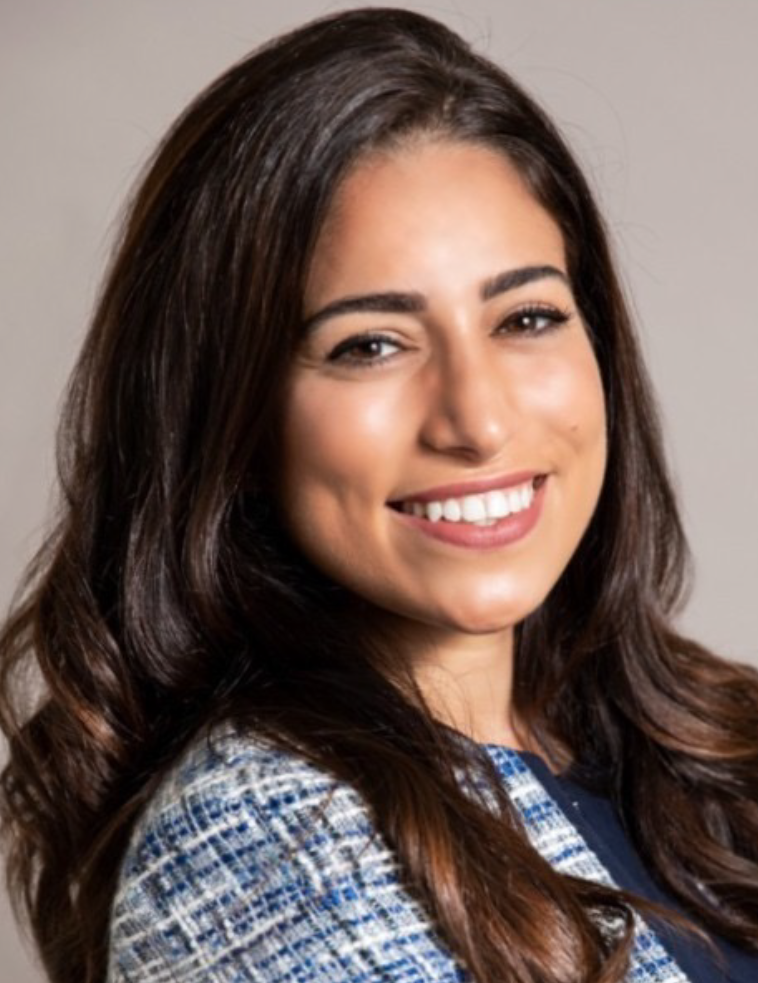
Yara Abdou, MD
Assistant Professor
Department of Oncology
UNC School of Medicine
Chapel Hill, NC
Dr. Yara Abdou is an Assistant Professor at the University of North Carolina (UNC) and a breast medical oncologist at the Lineberger Comprehensive Cancer Center. She leads the Breast Cancer Clinical Trials Program at UNC. Her research focuses on developing novel therapies and investigating biomarkers of disease recurrence and treatment response. Dr. Abdou’s research is also dedicated to addressing racial disparities in breast cancer outcomes and improving care for minority women. Her work has been recognized with awards from prestigious organizations, including the Breast Cancer Research Foundation, the American Society of Clinical Oncology, and the American Association for Cancer Research. She has authored numerous original research publications and has been an invited speaker at national and international conferences.
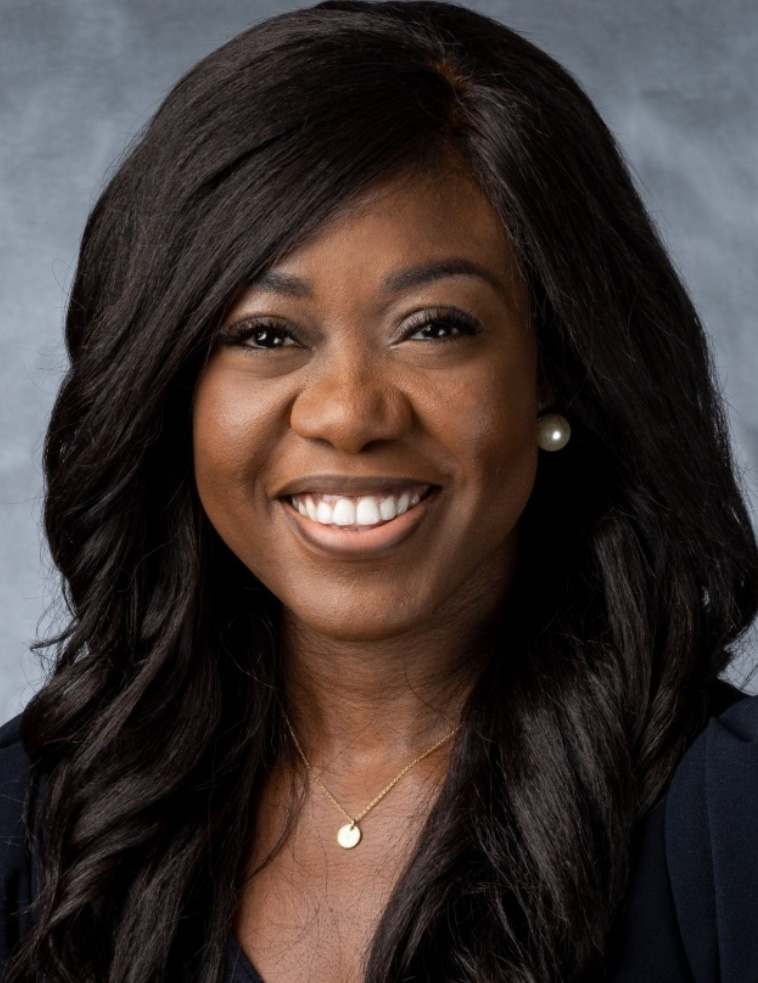
Taiwo Adesoye, MD, MPH
Assistant Professor, Department of Breast Surgical Oncology
Program Director, Breast Surgical Oncology Observer Program
The University of Texas MD Anderson Cancer Center
Houston, TX
Dr. Taiwo Adesoye is an Assistant Professor in the Department of Breast Surgical Oncology at The University of Texas MD Anderson Cancer Center. She earned her medical degree from the University of Chicago Pritzker School of Medicine and completed her general surgery residency at Houston Methodist Hospital. During her surgical training, she also obtained a Master of Public Health degree from the Harvard T.H. Chan School of Public Health with a focus on clinical effectiveness and health outcomes research.
Dr. Adesoye specializes in the multidisciplinary surgical management of breast cancer, with clinical and research interests centered on breast cancer treatment optimization, implementation science, therapy de-escalation, and improving equitable access to high-quality cancer care. She has contributed extensively to peer-reviewed publications and national presentations focused on breast cancer management, surgical oncology, and healthcare delivery innovation. In addition to her clinical and research activities, Dr. Adesoye is actively involved in surgical oncology education and mentorship. She serves in leadership roles within breast surgical oncology training programs and is committed to advancing the education of future oncology professionals.
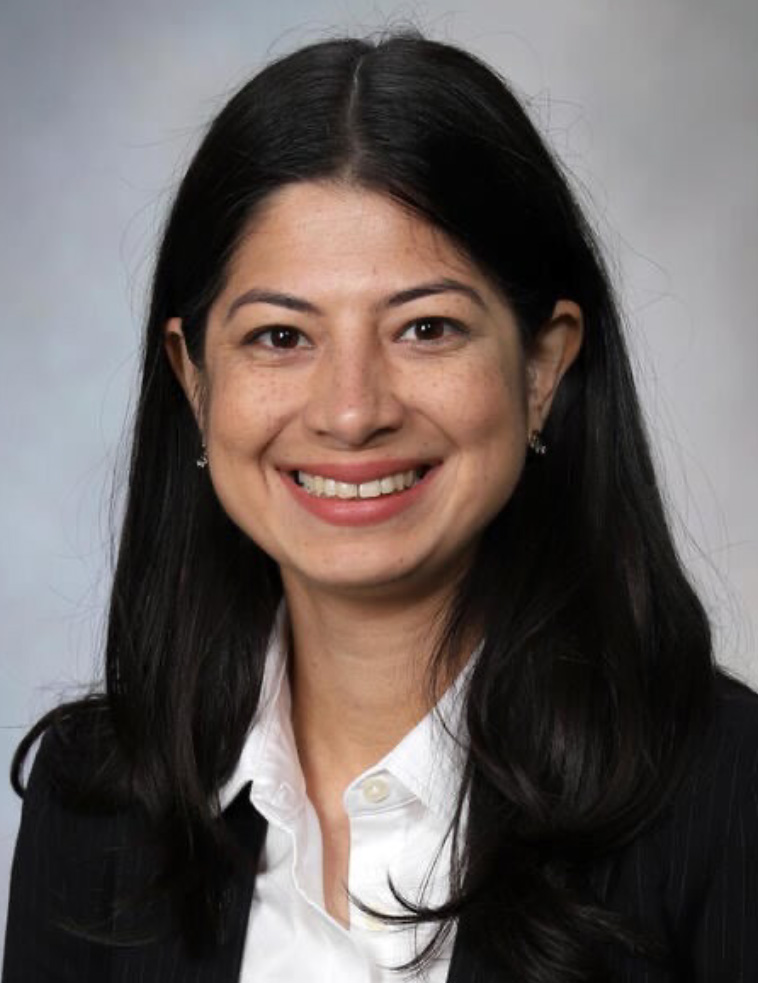
Pooja P. Advani, M.B.B.S., MD
Assistant Professor
Department of Hematology and Oncology
Mayo Clinic
Jacksonville, FL
Dr. Pooja Advani is a Consultant and Assistant Professor of Medicine at Mayo Clinic. She earned her medical degree from Maharashtra University of Health Sciences, Mumbai, India and completed her residency at the State University of New York. She is a graduate of the Mayo Clinic Hematology and Oncology Fellowship program where she also served as the Chief Fellow. She is a breast medical oncologist and the Director of the Robert and Monica Jacoby Center for Breast Health at Mayo Clinic, Jacksonville. She is a laboratory-based physician-scientist. Her current research interests are centered on understanding and leveraging the molecular underpinnings of cancer biology to help develop novel therapeutics to improve patient outcomes.
Dr. Advani has authored several peer reviewed publications in prestigious journals, editorials, and book chapters. She has been a recipient of a number of grant funding in support of her research interests including NIH, and Department of Defense funding. She also serves as the principal investigator of several Phase II/III breast cancer clinical trials including investigator-initiated trials.
Dr. Advani serves as a core faculty member for the Mayo Clinic Florida Hematology-Oncology fellowship program and career advisor for medical students. She has also earned several awards for excellence in patient care.
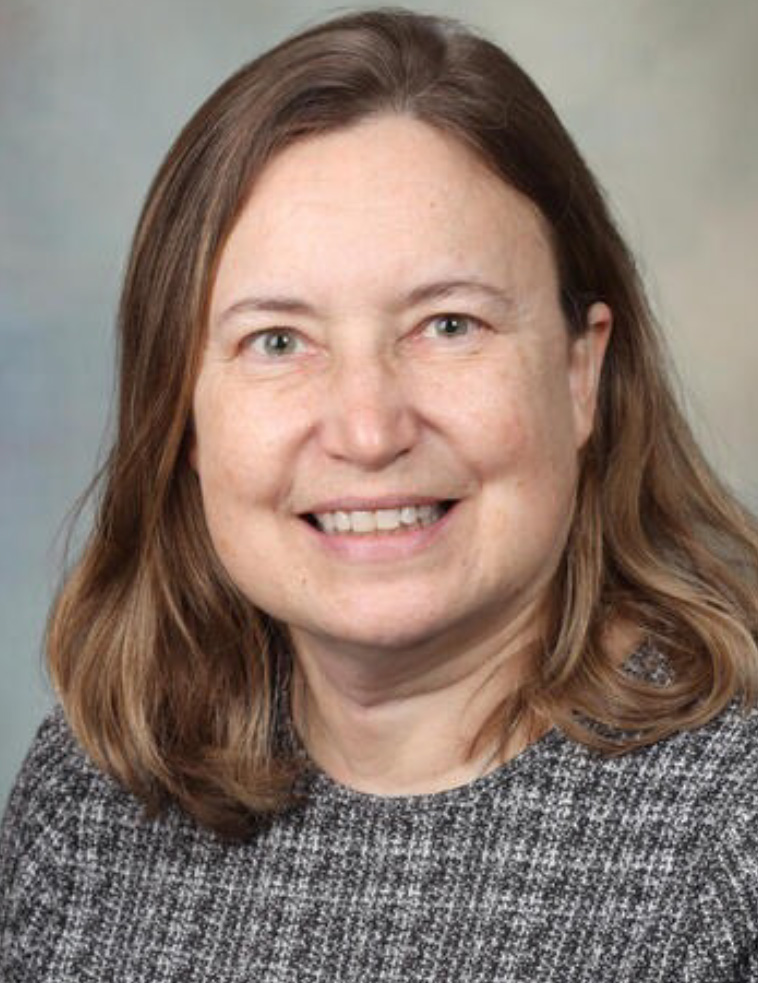
Karen S. Anderson, MD, PhD
Professor of Medicine
Division of Hematology and Oncology
Mayo Clinic
Phoenix, AZ
Karen S. Anderson, MD, PhD, is a professor of medicine and a medical oncologist in the Division of Hematology/Oncology, Department of Internal Medicine, at Mayo Clinic in Phoenix, Arizona. Dr. Anderson conducts clinical trials in breast cancer, with a focus on breast cancer immunotherapy, targeted therapies, and approaches to improve outcomes for patients with early-stage and metastatic disease.
Dr. Anderson earned her medical degree through the Medical Scientist Training Program at Duke University School of Medicine and received her PhD in microbiology and immunology from Duke University. She completed her internship and residency in internal medicine at Brigham and Women’s Hospital in Boston, followed by a fellowship in adult hematology and oncology at Dana-Farber Cancer Institute.
Currently, Dr. Anderson’s research focuses on postoperative therapies to reduce breast cancer relapse risk, treatments for metastatic breast cancer, genomic factors that may guide breast cancer treatment decisions, new diagnostics for early cancer detection, and cancer vaccines. Her work aims to improve breast cancer survival through earlier detection, reduced relapse risk, and more effective control of advanced disease.
Marija Balic, MD, PhD
Professor of Medicine
University of Pittsburgh School of Medicine
Pittsburgh, PA
Dr. Marija Balic is a Professor of Medicine at the University of Pittsburgh School of Medicine, where she specializes in hematology and oncology. She holds key leadership roles as the Co-Director of the Magee Womens Cancer Program and the Clinical Co-Leader of the WomensCancer Research Center (WCRC). In these capacities, Dr. Balic focuses on the treatment and research of womens cancers, with a particular emphasis on breast and gynecologic cancers. Additionally, Dr. Balic serves as the Scientific Director of the NSABP Foundation Translational Research Program, where she is involved in the oversight of research initiatives aimed at translating scientific discoveries into clinical applications. Her academic training is complemented by an MBA, which enhances her ability to integrate clinical practice with healthcare management. Dr. Balics work is central to advancing personalized medicine and improving outcomes for patients with womens cancers.
Andrew Brenner, MD, PhD
Professor of Medicine
Division of Hematology and Oncology
UT Health Science Center San Antonio
San Antonio, TX
Andrew Brenner, MD, PhD, is a professor of medicine in the Division of Hematology and Oncology at The University of Texas Health Science Center at San Antonio. At Mays Cancer Center, the home of UT Health San Antonio MD Anderson Cancer Center, Dr. Brenner specializes in breast cancer as well as malignancies of the brain and spinal cord. He is internationally acclaimed for advancing novel therapies to treat breast cancers and central nervous system tumors, alongside his active clinical practice.
Dr. Brenner earned his medical degree from Texas Tech University Health Sciences Center and completed his internal medicine residency at Baylor Scott and White Hospital in Lubbock. He pursued a fellowship in hematology and medical oncology at UT Health San Antonio and received his PhD in biological science and tumor biology from The University of Texas MD Anderson Cancer Center.
Currently, Dr. Brenner’s research focuses on the effects of hypoxia on chemokines and mechanisms of resistance to antiangiogenics, as well as the role of obesity in promoting breast tumorigenesis.
Adam Brufsky, MD, PhD
Professor of Medicine
Co-Director, Cancer Therapeutics Program
UPMC Hillman Cancer Center
University of Pittsburgh School of Medicine
Pittsburgh, PA
Adam M. Brufsky, MD, PhD, is Professor of Medicine at the University of Pittsburgh School of Medicine. He serves as Co-Director, Cancer Therapeutics Program, UPMC Hillman Cancer Center, Pittsburgh, PA.
Dr. Brufsky received an in Chemistry (Cum Laude) from Dartmouth College in Hanover, New Hampshire. He earned his MD and his PhD in Developmental Biology at the University of Connecticut School of Medicine in Farmington, CT. He was an Intern and Resident in Internal Medicine at Brigham and Women’s Hospital, Harvard Medical School, Boston, MA. He then completed a Fellowship in Medical Oncology and Bone Marrow Transplantation and the Dana-Farber Cancer Institute, Harvard Medical School, Boston, MA, where his appointments included Associate Physician and Instructor in Medicine at Dana Farber Cancer Institute and Harvard Medical School in Boston, MA.
Dr. Brufsky is board certified in Internal Medicine and Medical Oncology by the American Board of Internal Medicine. He is an active member of the American Society of Clinical Oncology and the American Association for Cancer Research. He has authored or co-authored more than 400 abstracts and research articles in leading journals, including the New England Journal of Medicine, Journal of Clinical Investigation, Journal of Clinical Oncology, and Lancet Oncology. Dr. Brufsky is a Principal Investigator on a number of research grants funded by the National Institutes of Health, Susan G. Komen Foundation, and US Army Breast Cancer Research Program.

Amina Chaudhry, MD
Clinical Assistant Professor of Medicine
Division of Oncology
Stanford University School of Medicine
Stanford Cancer Institute
Stanford, CA
Dr. Amina Chaudhry is a medical oncologist in the Division of Oncology at Stanford University School of Medicine. As part of Stanford University’s Breast Cancer Program, she specializes in treating patients diagnosed with breast cancer.
Dr. Chaudhry completed a residency in internal medicine at the University of Tennessee Health Science Center. She gained advanced training in hematology and oncology through a fellowship at University of Illinois Chicago. She is certified by the American Board of Internal Medicine.
Dr. Chaudhry’s research focuses on improving outcomes in disadvantaged populations with breast cancer. In 2022, she received the Repurposing Research to Address Diversity, Equity, and Inclusion grant to support underrepresented patients with early-stage breast cancer.
Dr. Chaudhry has published research in journals including Annals of Oncology, Journal of Clinical Oncology, and Blood Advances. She has presented her work at the annual meetings of the American Society of Clinical Oncology (ASCO), San Antonio Breast Cancer Symposium (SABCS), and American Society of Hematology (ASH).
Dr. Chaudhry has a strong interest in tackling healthcare inequities and improving access to clinical trials.
Katherine Clifton, MD
Associate Professor of Medicine
Division of Oncology
Section of Medical Oncology
WashU Medicine
Saint Louis, MO
Dr. Katherine Clifton is a breast medical oncologist and associate professor at Washington University. Dr Clifton has an interest in clinical trials and biomarker development. She has served as local PI for clinical trials with the Breast Medical Oncology Group and the Developmental Therapeutic Program as well as designed, conducted, and overseen novel investigator-initiated trials. She has collaborated with other researchers and serves as the medical oncologist for other investigator-initiated trials such as the COOL-IT trial, a clinical trial examining the efficacy of cryoablation in early-stage ER+ HER2- breast cancer.
Erin F. Cobain
Clinical Associate Professor
Internal Medicine Hematology/Oncology,
University of Michigan Medical School
Ann Arbor, Michigan
Dr. Erin F. Cobain is an Associate Professor of Internal Medicine in the Division of Hematology/Oncology at the University of Michigan Rogel Cancer Center. She specializes in the care of patients with breast cancer and those with hereditary cancer risk.
Dr. Cobain received her undergraduate degree from Davidson College, her medical degree from the University of Chicago Pritzker School of Medicine and completed internal medicine residency and chief residency at the Hospital of the University of Pennsylvania. She completed hematology/oncology fellowship at the University of Michigan and joined the faculty in 2015. Dr. Cobain serves as the medical oncology director of the University of Michigan health network Precision Oncology Program (Mi-PRO). She is also co-chair of the breast cancer clinical research team and co-director of the breast and ovarian cancer risk evaluation and genetics clinic at the Rogel Cancer Center.
Dr. Cobain’s research interests focus on improving outcomes for individuals with breast cancer and hereditary cancer predisposition through clinical trials and translational research. Specifically, she is focused on the clinical application of genomic profiling to personalize patient care, with an emphasis on identification of biomarkers that may predict benefit from immunotherapy. She is also the recipient of an American Cancer Society Clinician Scientist Development Grant for her work in identifying hereditary cancer risk through comprehensive tumor next-generation sequencing (NGS).
Dr. Cobain is integrally involved in the development and accrual to clinical trials sponsored by the National Cancer Institute (NCI) National Clinical Trials Network (NCTN) through her membership within the SWOG Cancer Research Network Breast and Translational Medicine Committees. She serves as the national study chair for the
S2206 clinical trial, exploring use of combination chemo-immunotherapy in MammaPrint high risk 2 (MP High 2) stage II-III hormone receptor positive, HER2-negative breast cancer. She has served on the NCI Breast Cancer Immuno-Oncology (BIO) Task Force.
Within the American Society of Clinical Oncology (ASCO), Dr. Cobain has served as chair of the annual meeting education committee for the cancer prevention, risk reduction and hereditary cancers track. She is also a member of the ASCO Targeted Agent and Profiling Utilization Registry (TAPUR) molecular tumor board, a graduate of the ASCO leadership development program and currently serves on the Government Relations and Health Policy Committees.
Alison Conlin, MD, MPH
Director of Breast Cancer Medical Oncology Program
Providence Cancer Institute
Portland, OR
Dr. Alison Conlin is a physician and researcher at the Providence Cancer Institute in Portland, Oregon. She is a medical oncologist who leads the breast cancer program in medical oncology for the institute. She specializes in the treatment of breast cancer and other high risk breast conditions and completed her fellowship training at Memorial Sloan-Kettering Cancer Center in 2008. She completed her medical school from New York Upstate Medical University and residency from New York-Presbyterian University Hospital of Columbia and Cornell. She also has a Master’s degree in Public Health Degree from Boston University where she focused on health services research.
Dr. Conlin has an interest in clinical trials and getting those to patients for all stages of breast cancer. Specifically, she has written clinical trials for patients with advanced breast cancer and with brain metastases from breast cancer. Additionally, she worked with the American Cancer Society focusing on cancer screening, prevention and follow-up care in the Oregon Health Study. She is passionate about the care of patients and getting the best resources to them. Dr. Conlin completed her medical degree at SUNY Upstate Medical University and her fellowship training at the prestigious Memorial Sloan-Kettering Cancer Center. She is highly regarded by her patients for her compassionate and dedicated approach to care.
Massimo Cristofanilli, MD
Professor of Medicine
Weill Cornell Medicine
New York, NY
Dr. Cristofanilli is a world-renowned medical oncologist specializing in breast cancer, with over two decades of experience as a physician, investigator, researcher and leader. He currently serves as Associate Director of Precision Oncology at the Meyer Cancer Center, co-leader of the MCC Breast Cancer Disease Management Team, and Scientific Director of the Englander Institute of Precision Medicine. Dr. Cristofanilli earned his MD with honors from the Università degli Studi di Roma La Sapienza (Rome, Italy), followed by an Internal Medicine residency at Cabrini Medical Center, New York, and a fellowship in Medical Oncology at the MD Anderson Cancer Center (Texas).
He has a long track record of leadership: previously he held senior positions at other leading cancer-centers (e.g. as Professor of Medicine and Chair of Medical Oncology) before joining Weill Cornell Medicine in 2022. Dr. Cristofanilli’s research focuses on molecular diagnostics, translational research, liquid biopsy (circulating tumor cells [CTCs] and circulating tumor DNA [ctDNA]), and novel drug development especially in metastatic, locally advanced, and inflammatory breast cancer. Through his work, he has helped advance precision-medicine approaches and improved understanding of biomarkers, drug resistance, and minimal residual disease.
He has co-authored hundreds of peer-reviewed publications in high-impact journals and is regarded as a key thought leader in the field of metastatic and advanced breast cancer
Brian Czerniecki, MD, PhD
Chair and Senior Member
Department of Breast Oncology
Moffitt Cancer Center
Tampa FL
Dr. Brian Czerniecki is Chair and Senior Member in the Moffitt Cancer Center Department of Breast Oncology. Dr. Czerniecki received his BS in Biochemistry from the University of Maine and his MD from the University of Medicine and Dentistry of New Jersey (UMDNJ), Robert Wood Johnson Medical School, and his PhD from UMDNJ-Robert Wood Johnson and Rutgers University. Dr. Czerniecki completed his general surgical residency at The Ohio State University and was Surgical Oncology Fellow at the NCI with Dr. Steven Rosenberg prior to his position at the University of Pennsylvania, Philadelphia. While at the University of Pennsylvania, Dr. Czerniecki served as Professor of Surgery, Perelman School of Medicine; Attending Surgeon, Department of Surgery, Hospital of the University of Pennsylvania; and Co-Director of the Rena Rowan Breast Center–Recruitment and Center Expansion. His research interests focus on dendritic cell biology and interactions with T cells. He has developed dendritic cell vaccines for the treatment of cancer. He is involved with several clinical trials for treating patients with early breast cancer with dendritic cell vaccines. Dr. Czerniecki’s research goal is the development of vaccines for the prevention of breast and other solid-tumor cancers. Toward that end, he is working on identifying molecular targets in early breast cancer that can be used to prevent invasion and metastasis. Dr. Czerniecki has more than 100 publications and is recognized nationally for his contribution to the development of sentinel lymph node mapping, a procedure for determining the spread of cancer into lymph nodes that is less invasive than diagnostic surgery.
Oana Danciu, MD
Professor
Division of Hematology and Oncology
College of Medicine
University of Illinois Cancer Center
Chicago, IL
Dr. Oana Danciu, MD, is Associate Director of Clinical Research at the University of Illinois Cancer Center, a breast oncologist at UI Health and Professor in the Division of Hematology and Oncology at the University of Illinois College of Medicine at UIC. Her research is focused on breast cancer, early phase clinical trials development and experimental therapeutics. Her work has been presented at major national conferences, including the American Society of Clinical Oncology (ASCO) Breast Cancer Symposium, San Antonio Breast Cancer Symposium and ASCO Cancer Survivorship Symposium. Her extensive work includes developing a Phase I protocol with a new experimental agent, PAC-1 (first procaspase activating compound). PAC-1 is a small molecule that directly activates procaspase-3 and induces apoptosis of cancer cells. Additionally, she serves as Steering Committee Chair of the Big Ten Cancer Research Consortium (CRC). Her involvement in the Big Ten CRC Breast Cancer Working has led to collaborations outside UIC with nationally recognized breast oncologists. Her trial, “A Single Arm Phase II Study of Palbociclib in Combination with Tamoxifen as First Line Therapy for Metastatic Hormone Receptor Positive Breast Cancer,” was awarded by Pfizer as part of the ASPIRE program.
James C. Dickerson, MD, MS
Clinical Assistant Professor, Medicine – Oncology
Stanford University
Palo Alto, CA
Dr. Dickerson is a medical oncologist in the Division of Medical Oncology at Stanford University School of Medicine, specializing in the care of patients with breast cancer. In addition to seeing patients in the clinic, he researches how health policy, data science, and emerging technologies can improve cancer care delivery. His research group focuses on three core objectives: (1) developing financially sustainable cancer care programs, (2) analyzing large clinical and administrative datasets to identify gaps where policy can improve equity and outcomes, and (3) conducting clinical and implementation research to determine the most effective ways to deliver high-quality, evidence-based oncology care.
Across these objectives, Dr. Dickerson integrates traditional real-world data analytics with modern natural language processing approaches, including large language models, to study cancer care delivery. His group develops and applies LLM-based tools to improve the extraction, structuring, and interpretation of complex clinical information from electronic health records, to enhance clinical decision-making, care coordination, and health policy evaluation.
Dr. Dickerson received his undergraduate degree from Vanderbilt University and graduated magna cum laude from the University of Mississippi Medical Center. He completed his internship and residency in Internal Medicine at Stanford University, followed by fellowship training in Hematology and Oncology. During his fellowship, Dr. Dickerson earned a Master’s degree in Health Policy and completed post-doctoral research in the Department of Health Policy
Ajay Dhakal
Assistant Professor
Department of Medicine
University of Rochester Medical Center
Rochester, NY
Dr. Ajay Dhakal is an Assistant Professor at The University of Rochester Medical Center. He received his medical degree and completed his internship at Kathmandu Medical College in Kathmandu, Nepal in 2009. Dr. Dhakal then finished his residency at Maimonides Medical Center in Brooklyn, New York in 2015. He then completed a clinical fellowship at Roswell Park Comprehensive Cancer Center in Buffalo, New York in 2018.
Dr. Dhakal’s special interest is breast cancer. His goal is to help breast cancer patients live longer with a good quality of life. Dr. Dhakal is passionate about conducting clinical research to better understand cancer biology and to discover new ways to treat breast cancer.
Frederick M. Dirbas, MD
Associate Professor of Surgery and Radiation Oncology
Division of Oncology
Stanford University
Stanford, CA
Dr. Frederick M. Dirbas, an Associate Professor of Surgery at Stanford University, is a distinguished breast cancer surgeon with a unique, diverse training background spanning cardiovascular surgery, immunotherapy, trauma, critical care, and surgical oncology. A Brooklyn native, Dr. Dirbas graduated with honors from Stanford in 1981 and Columbia University’s College of Physicians and Surgeons with A.O.A. honors and the Whipple Award as top surgery student. He completed his residency and a two-year surgical oncology fellowship at Stanford. His early career included two years at the National Institutes of Health, researching immunosuppression for cardiac transplantation.
Returning to Stanford, Dr. Dirbas served as a staff surgeon at the Palo Alto VA and as a breast/trauma surgeon at Stanford. He contributed tumor tissue for pioneering molecular profiling work in the Brown/Botstein labs. In 2002, he launched Stanford’s initial studies in accelerated partial breast irradiation. As physician leader of Stanford’s Breast Cancer Clinical Care Program from 2010–2017, he helped develop key cancer centers, contributing to a nationally recognized program. He is also co-editor of a widely accessed breast cancer textbook.
Dr. Dirbas’s current research focuses on the clinical development of FLASH Radiotherapy (FLASH RT) for human use, backed by grants from the California Breast Cancer Research Program, and studying breast cancer stem cells. In October 2024, he was named the John and Ann Doerr Faculty Scholar in Breast Surgery, and he chairs the Society of Surgical Oncology’s Breast Disease Site Working Group, while maintaining an active practice at the Stanford Cancer Center.
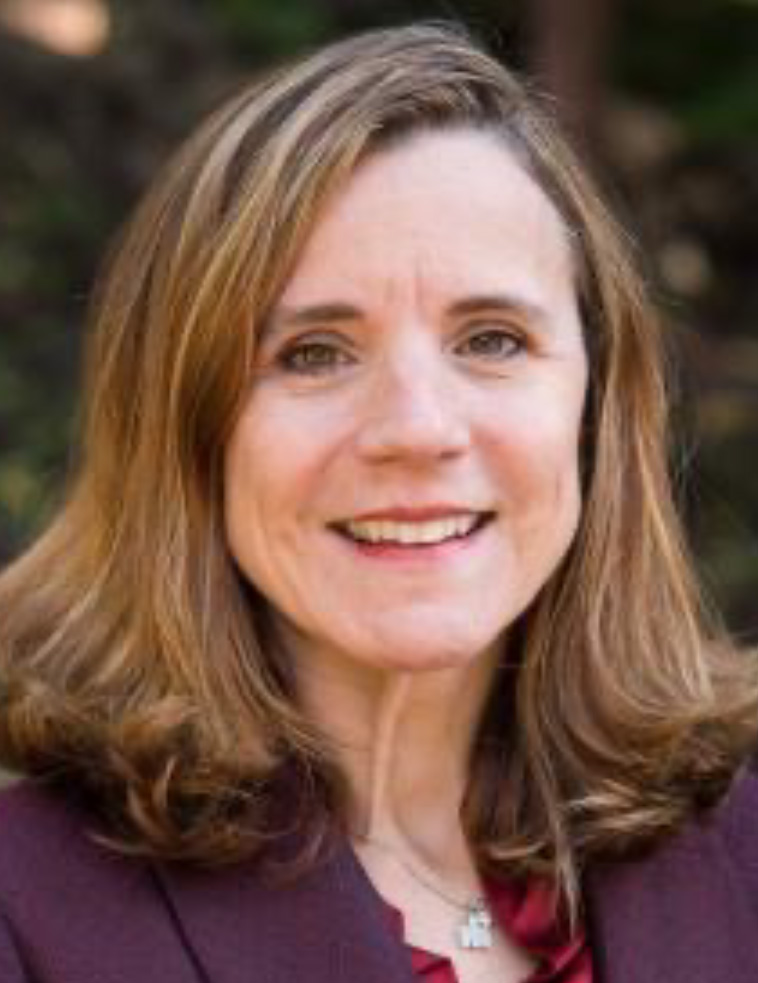
Milana V. Dolezal, MD, Msci
Clinical Associate Professor of Medicine
Stanford Medicine Cancer Center
Stanford University
Palo Alto, CA
Dr. Dolezal is a board-certified hematologist-oncologist who practices with Stanford Medicine Cancer Center and holds a Clinical Associate Professorship in the Division of Oncology at Stanford School of Medicine. Her clinical practice focuses on personalized, comprehensive care and she works closely with patients to develop tailored treatment plans that maximize both oncologic efficacy and quality of life.
Prior to joining Stanford, Dr. Dolezal accumulated extensive experience in research and drug development including roles as a clinical scientist, assistant medical director, and associate medical director in the Biooncology Therapeutics unit of the biotechnology company Genentech. Her research has covered important areas such as fertility preservation in patients with breast cancer, advanced therapeutic strategies for triple-negative breast cancer, and patient adherence to anti-cancer therapies. She is also co-author of the book chapter titled “Progression from Hormone-Dependent to Hormone-Independent Breast Cancer” in the textbook Hormones, Genes and Cancer (Oxford University Press).
Her findings have been published in high-impact journals including Journal of Clinical Oncology and Cancer, among others. She has also presented her work at major oncology conferences such as the American Association for Cancer Research (AACR), the American Society of Clinical Oncology (ASCO), and the European Cancer Organization (ECO).
Dr. Dolezal earned her MD from Sidney Kimmel Medical College at Thomas Jefferson University in 1999 She completed her residency at USC/LAC Medical Center (2002) and later a fellowship in Hematology/Oncology at UCLA Division of Hematology and Oncology (2005). She is board-certified in Internal Medicine, Hematology (2007), and Medical Oncology (2006) by the American Board of Internal Medicine (ABIM).
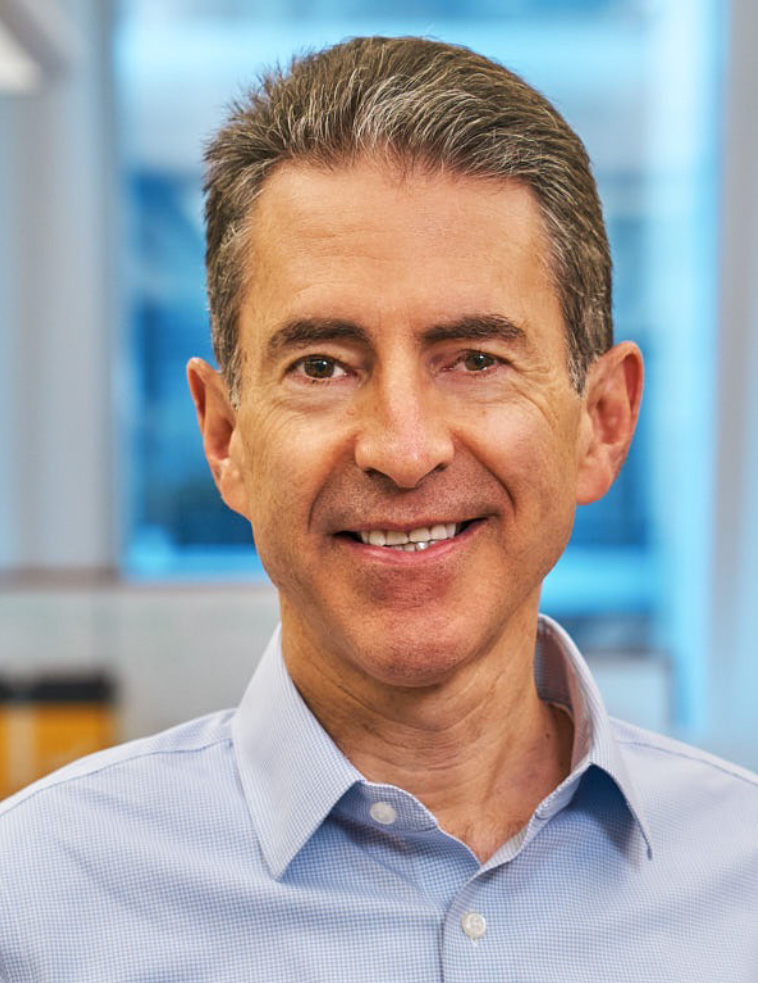
Leif W. Ellisen, MD, PhD
Program Director, Breast Medical Oncology
Professor of Medicine, Harvard Medical School
Clinical Director, Breast and Ovarian Cancer Genetics
Boston, MA
Dr. Ellisen is Professor of Medicine at Harvard Medical School and Program Director for Breast Medical Oncology at the Mass General Cancer Center. He is also co-Leader of the Breast Cancer Program at the Dana-Farber/Harvard Cancer Center. He received his undergraduate degree from Harvard University, MD and PhD degrees from Stanford University, and completed residency training, oncology fellowship training, and postdoctoral research training at Brigham and Women’s Hospital, the Dana-Farber Cancer Institute, and Mass General, respectively. Dr. Ellisen is widely published in the fields of cancer biology, treatment and genetics. As Director of Breast and Ovarian Cancer Genetics at Mass General, Dr. Ellisen’s clinical practice is focused on cancer risk assessment, cancer prevention and early detection. Research in Dr. Ellisen’s laboratory is in the vanguard of revolutionizing cancer treatment through personalized cancer therapies. Dr. Ellisen is best known for his work on triple-negative breast cancer (TNBC), one of the most aggressive forms of the disease.
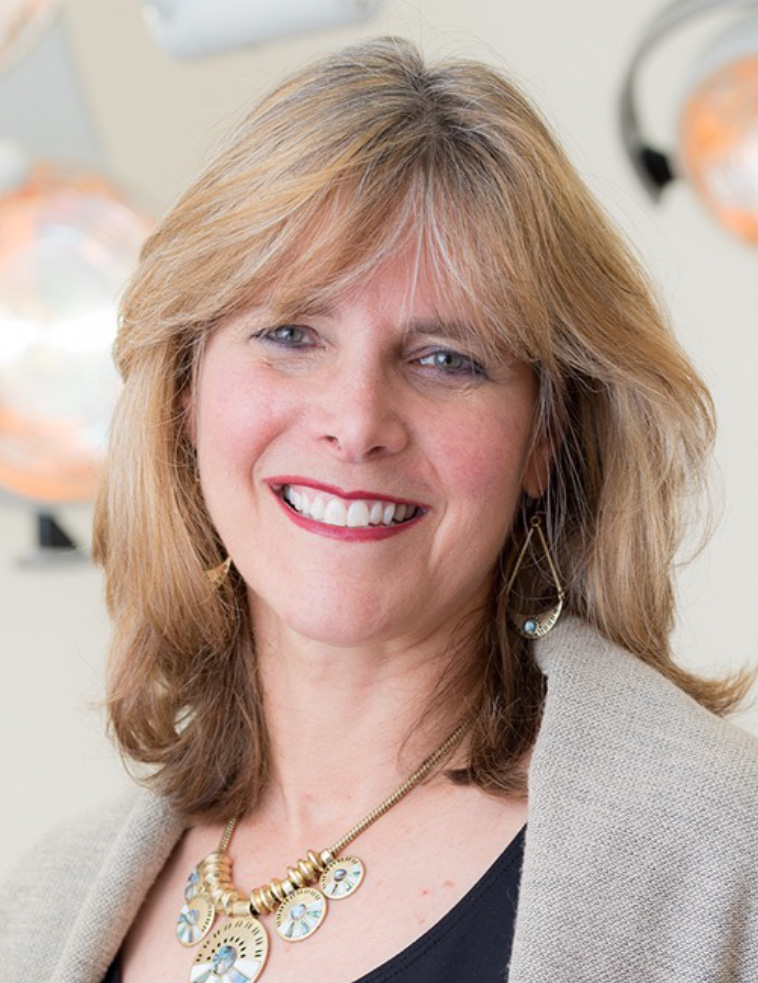
Laura J. Esserman, MD, MBA
Professor
Departments of Surgery and Radiology
UCSF Helen Diller Family Comprehensive Cancer Center
San Francisco, CA
Laura Esserman, MD, MBA, is an internationally recognized breast surgeon and breast oncology leader at UCSF, where she is Professor of Surgery and Radiology and Director of the UCSF Breast Care Center. Her work spans basic science through public policy, with a major focus on reducing over-diagnosis and over-treatment in breast cancer, particularly DCIS. Since 2002, she has led the I-SPY Trials, a landmark public–private collaboration (including NCI, FDA, academic centers, and industry) that pioneered an adaptive, translational trial model to accelerate drug development; the approach has influenced research globally and is being extended to other diseases, including an FDA-approved I-SPY COVID trial. She also helped create the UC-wide Athena Breast Health Network, integrating care and research at scale, and spearheaded the WISDOM study to evaluate personalized, risk-based breast cancer screening versus standard annual screening. Dr. Esserman has published 300+ peer-reviewed articles, is widely cited in major media, and has received numerous honors, including being named to TIME’s 100 Most Influential People (2016) and receiving multiple innovation and scientific excellence awards through 2024.
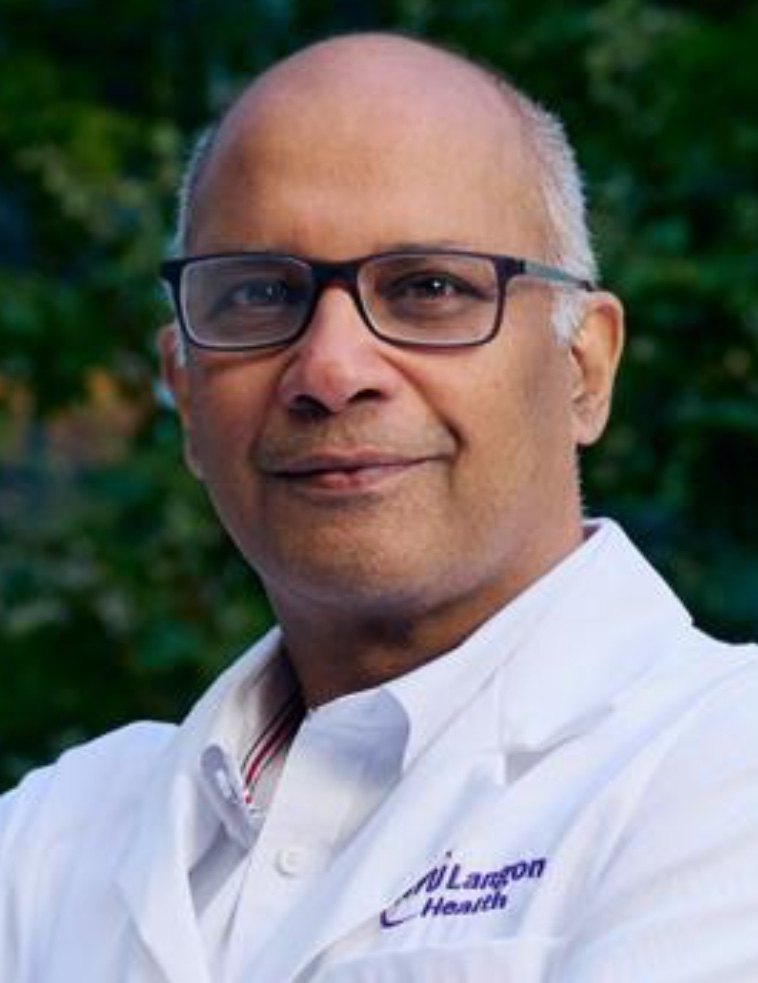
Shridar Ganesan, MD
Physician-Scientist
Professor of Medicine
Director of the Center for Molecular Oncology
NYU Langone Health
New York, NY
Dr. Shridar Ganesan, is a medical oncologist and physician–scientist at NYU Langone Health. He is Professor of Medicine at NYU Grossman School of Medicine, Interim Deputy Director of Perlmutter Cancer Center, and Director of the Center for Molecular Oncology. His clinical and research interests focus on breast cancer, rare cancers, molecular oncology, tumor profiling, and precision medicine. As Director of the Center for Molecular Oncology, Dr. Ganesan helps coordinate serial molecular profiling efforts for patients at Perlmutter Cancer Center and supports clinicians and scientists in interpreting tumor molecular profiles to guide personalized cancer care. His work reflects a multidisciplinary approach to oncology, combining clinical expertise in breast cancer with contemporary molecular tools to individualize treatment strategies. Earlier in his career, Dr. Ganesan contributed to laboratory research characterizing BRCA1 and BRCA2 tumor suppressors, work that has helped inform modern approaches to hereditary and molecularly defined breast cancer care.
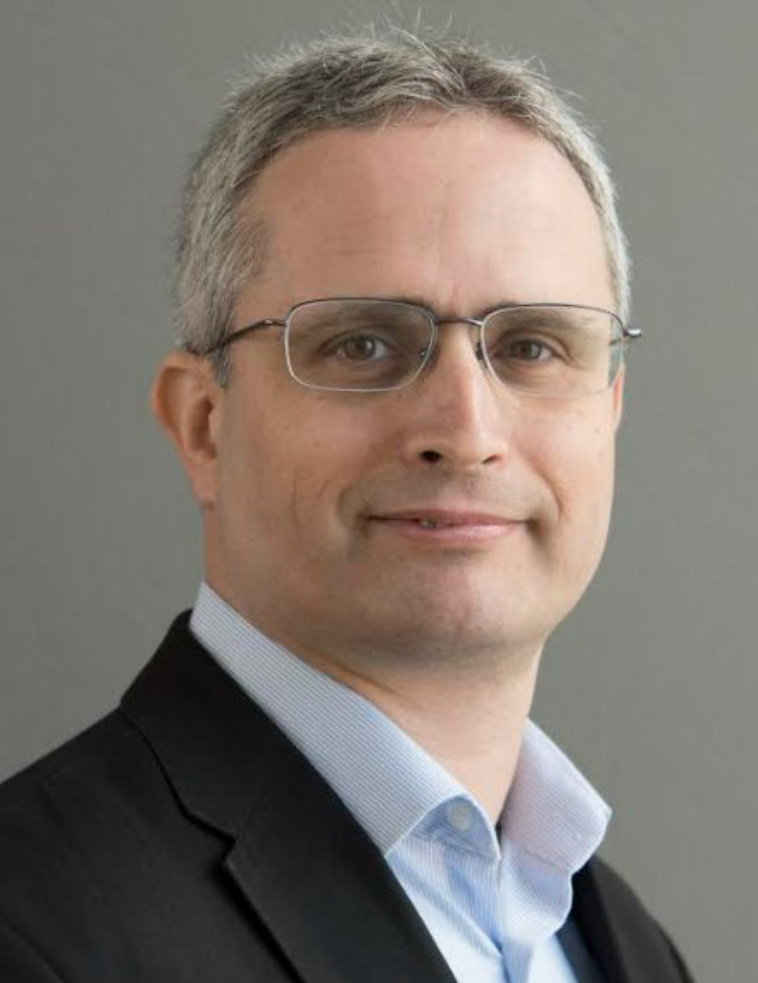
Gad Getz, PhD
Professor of Pathology
Harvard Medical School
Investigator
Massachusetts General Hospital
Director of Bioinformatics
Massachusetts General Hospital Cancer Center and Department of Pathology
Paul C. Zamecnik Chair of Oncology
Massachusetts General Hospital Cancer Center
Director, Cancer Genome Computational Analysis and Institute Member
Broad Institute
Boston, MA
Gad “Gaddy” Getz, PhD, is an internationally acclaimed leader in cancer genomics and a pioneer in developing computational tools for analyzing cancer genomes. He is a core institute member of the Broad Institute of MIT and Harvard, where he directs the Cancer Genome Computational Analysis Group. Dr. Getz is also a professor of pathology at Harvard Medical School and director of bioinformatics in the Krantz Family Center for Cancer Research and Department of Pathology at Massachusetts General Hospital. Dr. Getz’s research focuses on cancer genome analysis, including tumor evolution, molecular subtypes, biomarkers, therapy resistance, proteogenomics, single-cell analysis, and somatic mutations in normal tissues. He has held leadership roles in major cancer genomics initiatives, including TCGA, the Tumor Sequencing Project, the Pan-Cancer Analysis of Whole Genomes project, and NCI Cloud Pilots. Dr. Getz received his BS in physics and mathematics from Hebrew University, his MSc in physics from Tel Aviv University, and his PhD in physics from the Weizmann Institute of Science in Israel.
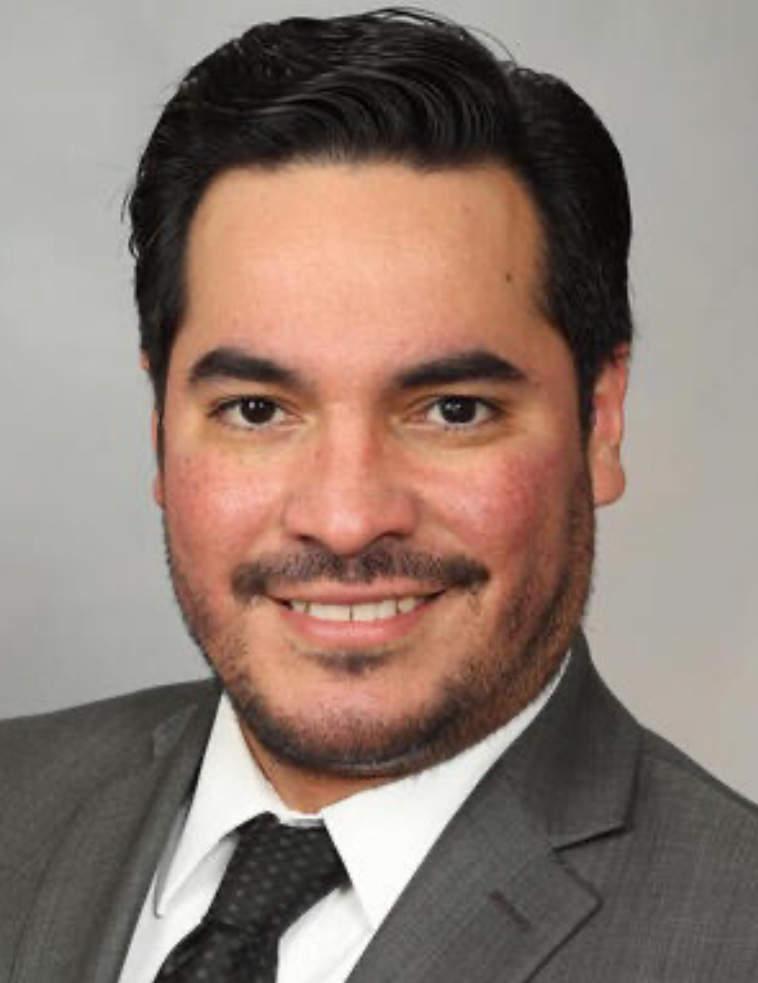
Roberto Leon-Ferre, M.D.
Associate Professor
Department of Hematology and Oncology
Mayo Clinic
Rochester, MN
Dr. Roberto A. Leon-Ferre is an Associate Professor of Oncology and Consultant in the Division of Medical Oncology at Mayo Clinic, based in Rochester, Minnesota. He trained in medicine at Universidad Católica de Santiago de Guayaquil, receiving his MD in 2007. He then completed internship, residency and chief residency in Internal Medicine at University of Iowa Hospitals and Clinics, followed by a fellowship in Hematology/Oncology at Mayo Clinic, culminating in 2017.
In his current role, Dr. Leon-Ferre focuses on medical oncology with a special interest in breast cancer particularly the aggressive subtype Triple‑Negative Breast Cancer (TNBC). He co-leads the Mayo Clinic TNBC Working Group, investigating prognostic factors, tumor microenvironment and immune interactions to better predict treatment response and long-term outcomes. He is actively involved in designing and leading clinical trials for both early-stage and metastatic TNBC, aiming to develop more effective and less toxic treatment strategies tailored to individual tumor biology.
Over his career, Dr. Leon-Ferre has earned multiple honors: a 2024 ASCO Conquer Cancer Advanced Clinical Research Award, institutional awards for teaching and patient care, and recognition for excellence in clinical-trial design and translational research. With a robust background spanning internal medicine, hematology and oncology, plus a strong track record in translational breast-cancer research and clinical trial leadership, Dr. Leon-Ferre represents a prominent current voice in efforts to personalize therapy for TNBC patients.
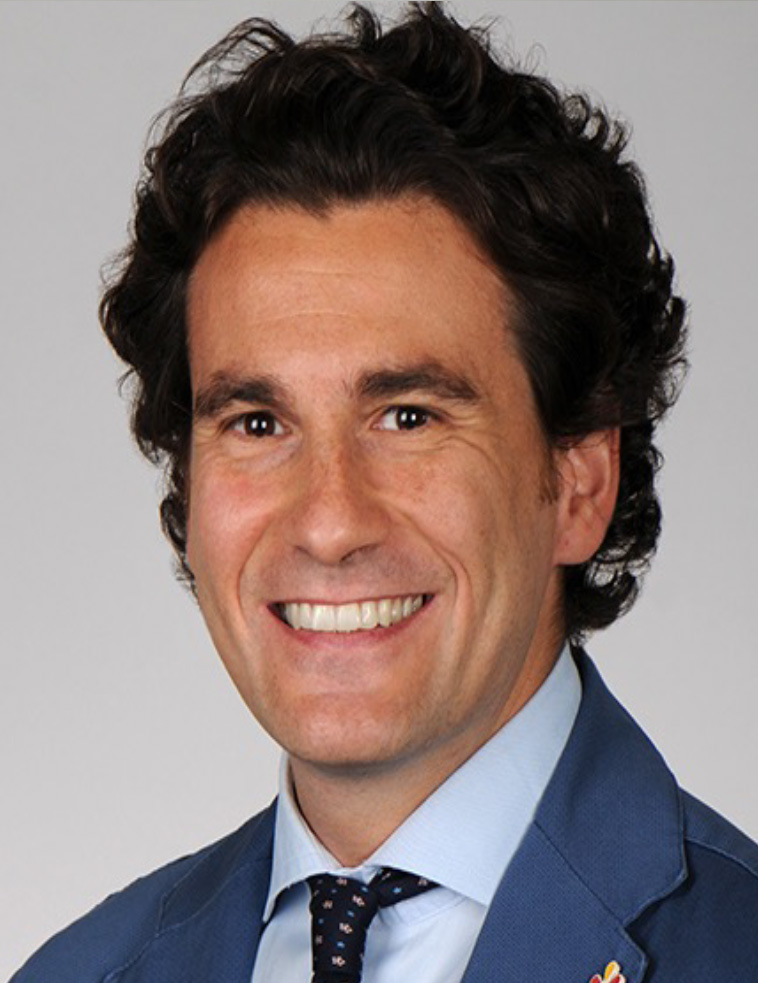
Antonio Giordano, MD, PhD
Senior Physician
Breast Oncology Center
Dana-Farber Cancer Institute
Boston, MA
Dr. Giordano completed his medical school and oncology fellowship at University of Naples Federico II in Italy in 2004 and 2009, respectively. His passion for research was the motivation behind his pursuit of a PhD program in medical oncology and immunology at the Second University of Naples and participating in the exchange program with The University of Texas MD Anderson Cancer Center. During the four years spent as faculty at MD Anderson, he consolidated his solid foundation in breast clinical oncology, transitional and basic science research, and has made tremendous contributions to the field of breast cancer biology and circulating biomarkers.
His work was recognized by two very prestigious awards for young investigators, the 2012 AACR-Bristol-Myers Squibb Oncology Fellowship in Clinical Cancer Research and the 2012 ASCO Young Investigator Award. He subsequently worked as faculty at MUSC in Charleston, SC from 2016 to 2020, where he successfully completed the NCI K12 Paul Calabresi Career Development for Clinical & Translational Oncology Program. In 2020, Dr. Giordano joined the staff of Dana-Farber Cancer Institute, where he is a medical oncologist and clinical investigator in the Breast Oncology Center.
Dr. Giordano serves as the clinical director of the Center for Cancer Therapeutic Innovation and the Breast Cancer Pathways Medical Director at Dana Farber. His area of excellence is investigation, translational science, and phase 1 clinical trials for patients with metastatic breast cancer that is resistant to standard therapeutic options. His research focus in on mechanisms of resistance to CDK4/6 inhibitors, cell cycle, and trial innovations in the HR+/HER2- metastatic space.
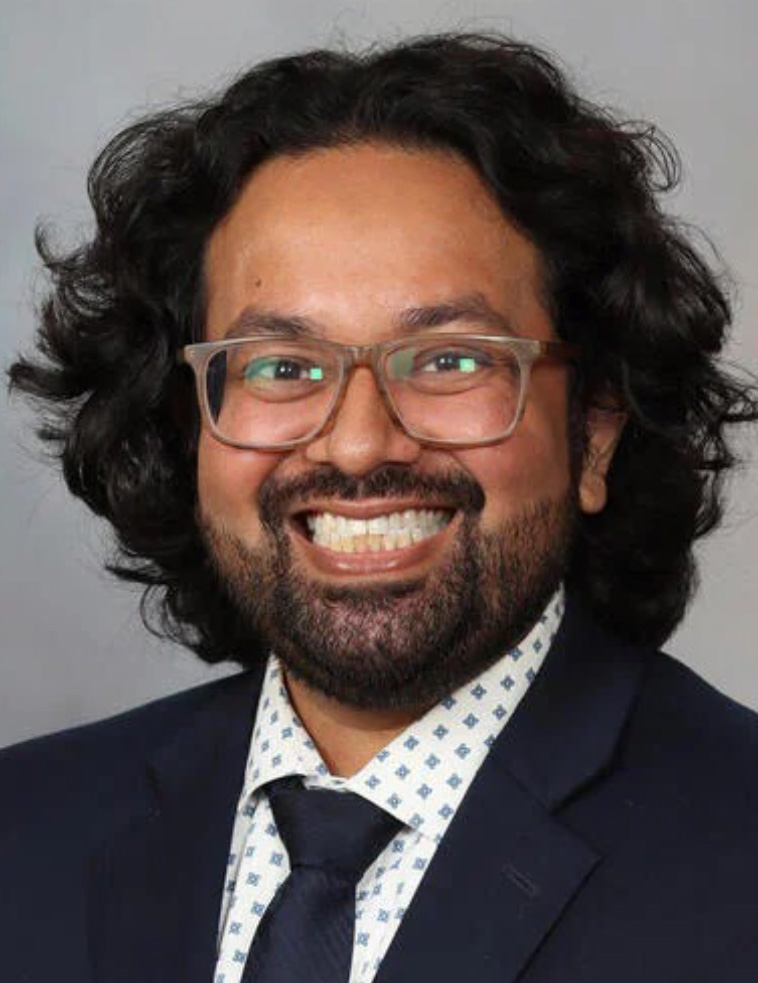
Karthik V. Giridhar, MD
Assistant Professor
Mayo Clinic
Rochester, MN
Dr. Karthik V. Giridhar is a medical oncologist and Assistant Professor in Oncology at the Mayo Clinic Comprehensive Cancer Center in Rochester, Minnesota, where he specializes in the multidisciplinary care and management of breast cancer. He earned his medical degree from the University of Pittsburgh School of Medicine, completed his internal medicine residency at the University of California, and went on to complete fellowship training in hematology/oncology through the Mayo School of Graduate Medical Education at Mayo Clinic College of Medicine and Science. Board-certified in internal medicine, hematology, and medical oncology, Dr. Giridhar integrates evidence-based precision medicine with patient-centered care, focusing on individualized treatment planning and shared decision-making. His research interests encompass breast cancer biology, circulating biomarker discovery and development, and mechanisms of endocrine resistance, and he is actively engaged in clinical and translational oncology research with publications in high-impact scientific journals. He mentors medical students, residents, and fellows, and has received numerous honors, including the 2018 Young Investigator Award from the American Society of Clinical Oncology, the Angela and Anne V. Marinelli Endowed Fellowship Award at Mayo Clinic, and recognition as a 2025 Patient Experience Top Performer at Mayo Clinic in Rochester. His work bridges clinical expertise with innovative research to advance breast cancer treatment and improve patient outcomes.
Hadar Goldvaser, MD
Breast Medical Oncologist
Memorial Sloan Kettering Cancer Center
New York, NY
Dr. Hadar Goldvaser is a breast medical oncologist and Assistant Attending Physician at Memorial Sloan Kettering Cancer Center, where she specializes in the treatment of patients with breast cancer, including hereditary breast cancers and breast cancer in young women. She earned her MD from The Ruth and Bruce Rappaport Faculty of Medicine in Israel, completed residency training in medical oncology at Davidoff Cancer Center, Rabin Medical Center, Beilinson Hospital in Israel, and completed fellowship training in medical oncology/breast cancer at Princess Margaret Cancer Centre in Canada. Her clinical and research interests focus on optimizing breast cancer treatment decisions, improving understanding of treatment effectiveness across clinical settings, and better defining the risk–benefit balance of breast cancer therapies. Dr. Goldvaser is also actively involved in clinical research aimed at advancing individualized, evidence-based care for patients with breast cancer.
Joshua Gruber, M.D., Ph.D
Department of Internal Medicine
UT Medical Center
Dallas, TX
Dr. Joshua Gruber, M.D., Ph.D., is an Assistant Professor in the Department of Internal Medicine at UT Medical Center and a member of the Division of Hematology and Oncology. A breast cancer specialist, he has a secondary appointment in UTSW’s Cecil H. and Ida Green Center for Reproductive Biology Sciences.
Dr. Gruber earned his medical degree and doctoral degree in cancer biology and biochemistry at the University of Pennsylvania. He completed a residency in internal medicine at Stanford University in California, where he also received advanced training through a clinical fellowship in medical oncology and a research fellowship in systems biology of cancer epigenetics.
Certified by the American Board of Internal Medicine in medical oncology, Dr. Gruber joined the UT faculty in 2021.
Dr. Gruber is the author of numerous scholarly articles in journals such as Cell, Molecular Cell, and Cell Reports, and he serves as a peer reviewer for the Journal of Clinical Oncology Precision Oncology and Clinical Cancer Research.
His clinical focus is on treating patients with metastatic breast cancer and triple-negative breast cancer, as well as conducting early-stage clinical trials on new therapies for these diseases. His laboratory research interests include the molecular biology of breast cancer initiation, the intersection of tumor immunology with cancer growth pathways, and the development of molecular tools to interrogate neoplastic tissues.
He is also focused on gene regulation, specifically the intersection of cancer epigenetics with cellular metabolism. In particular, his work is directed at devising new methods for understanding how metabolic products affect chromatin landscapes as well as developing new chemical probes to interrogate this process. Dr. Gruber is a member of the American Association for Cancer Research, the American Society of Clinical Oncology, and the Society for Immunotherapy of Cancer.
Kalpna Gupta, PhD
Professor of Medicine
Department of Medicine
Division of Hematology/Oncology
University of California, Irvine
Irvine, CA
Dr Kalpna Gupta has led pioneering work in understanding the mechanisms of adverse effects of opioids on cancer pain leading to cancer progression, and laid down the foundation of understanding the mechanisms of pain in sickle cell disease (SCD). These insights will help us treat both pain and the underlying disease process causing pain in the first place. Her laboratory has identified several new targets at the intersection of the sickle disease process and pain, including cannabinoid receptors, mast cells, and the nociceptin receptor, in addition to integrative approaches including environment’s modification, acupuncture and perception modulation to relieve pain. Dr Gupta is also a recipient of the Excellence in Hemoglobinopathies Research Award from NHLBI to examine the potential of cannabinoids to treat pain and develop methods to quantify pain objectively. She has served as an advisor to the SCD program at NHLBI/NIH and received the “Pioneer Award” from the Sickle Cell Disease Association od America.
Ariella Hanker, PhD
Associate Professor
UT Southwestern Medical Center
Dallas, TX
Dr. Hanker received her B.Sc. in chemistry from the University of Virginia in 2004 and Ph.D. in genetics and molecular biology from the University of North Carolina at Chapel Hill in 2009. Her graduate work in the laboratory of Dr. Channing Der focused on strategies to disrupt membrane binding of the small GTPase Rheb, in an effort to block aberrant Rheb/mTOR signaling in cancer. Dr. Hanker pursued postdoctoral training in the laboratory of Dr. Carlos Arteaga at Vanderbilt University Medical Center. During this time, she was awarded a postdoctoral fellowship from the Department of Defense Breast Cancer Research Program and a career development award (K12 award) from the National Cancer Institute. Her postdoctoral studies used transgenic mouse models and human breast cancer xenografts to study mechanisms of resistance to HER2-targeted therapy in HER2+ breast cancer. More recently, Dr. Hanker identified the HER2 T798I gatekeeper mutation as a mechanism of resistance to HER2-targeted therapy in HER2-mutant breast cancer.
Dr. Hanker’s current work is focused on 1) therapeutic targeting of breast cancer-associated alterations, and 2) delineating mechanisms of resistance to breast cancer targeted therapies, including HER2 inhibitors, antiestrogens, PI3K/AKT inhibitors, and CDK4/6 inhibitors. Dr. Hanker joined the faculty of UT Southwestern Medical Center in 2018. Her research program is supported by grants from the National Cancer Institute and the Breast Cancer Research Foundation
Norah Lynn Henry, MD, PhD
Daniel F. Hayes MD Breast Cancer Research Professor
Professor and Interim Division Chief
Division of Hematology/Oncology
University of Michigan Rogel Cancer Center
Ann Arbor, MI
Dr. Norah Lynn Henry is a medical oncologist and interim Division Chief of Hematology/Oncology at the University of Michigan. Since completing her fellowship in Hematology/Oncology she has been on the faculty at the University of Michigan, except for the years 2016-2019 when she was at the University of Utah Huntsman Cancer Institute.
Dr. Henry specializes in the care of patients with all stages and all types of breast cancer. Her research focuses on personalizing treatment for breast cancer. She studies treatments for breast cancer as well as ways to manage symptoms and side effects that arise from the cancer or its treatment. Her goal is to provide effective treatments for breast cancer while maintaining the quality of life of each patient. In addition, she works with scientists at the University of Michigan to translate their lab findings into clinical trials.
Sara Hurvitz, MD, FACP
Senior Vice President and Director
Clinical Research Division, Fred Hutch
Professor
Clinical Research Division, Fred Hutch
Smith Family Endowed Chair in Women’s Health
Fred Hutchinson Cancer Center
Seattle, WA
Dr. Sara Hurvitz is a medical oncologist and clinical research leader who is senior vice president of the Clinical Research Division at Fred Hutch and head of the Division of Hematology and Oncology at the University of Washington Department of Medicine. A graduate of the Keck School of Medicine at the University of Southern California, Hurvitz is an international expert in breast oncology and a leader in clinical and laboratory-based oncology research, with extensive experience leading clinical trials in all phases. Dr. Hurvitz works to boost the national reputation of the solid tumor clinical research program and oversees the continued growth of clinical research programs in stem cell transplantation and cell therapy, hematologic cancers and nonmalignant hematology. Dr. Hurvitz has contributed extensively to the growth of clinical research programs since joining the University of California, Los Angeles as a resident in 1999. She is a member of the American College of Physicians, the American Society of Hematology, the American Society of Clinical Oncology, American Association for Cancer Research and the European Society of Medical Oncology.
Toshiaki Iwase, MD, PhD
Associate Professor
University of Hawaii Cancer Center
Honolulu, HI
Dr. Iwase is an Associate Professor at the University of Hawaiʻi Cancer Center. He is also appointed as a Medical Director at the Clinical Trials Office (CTO). He earned his medical degrees, residency and fellowships in Emergency medicine and breast surgical oncology and PhD from Japan. He then joined the MD Anderson Cancer Center as a post doctoral fellow in Section of Translational Breast Cancer Research Department of Breast Medical Oncology.
Dr Iwase’s research focuses on the development of cutting-edge treatments for cancer and identification of novel predictive biomarkers through early phase investigator-initiated clinical trials. He is committed to address healthcare disparity in clinical trials that involve unique patient populations in Hawaii and the U.S. Affiliated Pacific Islands.
Jordan E. Jackson, MD
Assistant Professor of Clinical Surgery
School of Medicine
UCSF Department of Surgery
University of California, San Francisco
San Francisco, CA
Jordan Jackson, MD is a breast surgical oncologist and Assistant Professor of Surgery at UCSF. Her research interests include improving care for young women with breast cancer, and she is currently the site principal investigator for the DCIS RECAST Trial. Dr. Jackson completed her medical training at Sidney Kimmel Medical College at Thomas Jefferson University, her general surgery residency at UCSF–East Bay, and her fellowship in breast surgical oncology at Cedars-Sinai Medical Center. She is a member of the American Society of Breast Surgeons and the Society of Surgical Oncology.
Adriana Kahn, MD
Assistant Professor of Medicine (Medical Oncology)
Drug Development Department
Yale Cancer Center
New Haven, CT
Dr. Adriana Kahn is an Assistant Professor of Medicine (Medical Oncology) and cares for patients as part of the Center for Breast Cancer and the Drug Development Department at Yale Cancer Center. Dr. Kahn completed a fellowship in Medical Oncology at the Yale School of Medicine. She completed residency at the University of Connecticut. Prior to coming to the United States, she completed a fellowship in Breast Cancer in Canada. She completed residency and medical oncology fellowship at the Universidade de Sao Paulo, Brazil. She received her medical degree from the Universidade Federal da Bahia, Brazil.
Dr. Kahn’s research focuses on Breast Cancer and Drug Development. She was awarded the 2023 Robert A. Winn Diversity in Clinical Trials Career Development Award from the American Association of Cancer Research Career (AACR), as well as the 2023 Young Investigator Award from the American Society of Clinical Oncology (ASCO) for her ongoing work. She is the author of multiple peer-reviewed publications and poster presentations in national and international conferences. She is the author of investigator-initiated clinical trials and works as principal investigator of ongoing clinical trials at the Yale Cancer Center. Dr. Kahn is known to be a competent, caring and compassionate physician.
Nimmi S. Kapoor, MD
Breast Surgical Oncologist
Associate Professor,
Department of Surgery,
Division of Surgical Oncology,
University of California, Los Angeles
David Geffen School of Medicine
Los Angeles, CA
Dr. Nimmi Kapoor is a Breast Surgical Oncologist and an Associate Clinical Professor of Surgery at the David Geffen School of Medicine at UCLA. After graduating summa cum laude from UCLA, she earned her medical degree with AOA honors at Weill Cornell Medical College. She then attended New York Presbyterian Hospital Cornell for general surgery residency and Memorial Sloan Kettering Cancer Center for surgical oncology residency and research training. She then returned to her home in California and completed a joint Breast Surgical Oncology Fellowship at John Wayne Cancer Institute and Cedars Sinai Medical Center. While at UCLA, Dr. Kapoor has become a leader in breast surgery skills and innovation and runs a nationally acclaimed course on Breast Ultrasound and Oncoplastic surgery. Her research interests include genomic profiling of tumors, postpartum breast cancer, and cryoablation.
Henry M. Kuerer, MD, PhD, FACS, CMQ
Professor & Executive Director, Breast Programs
Department of Breast Surgical Oncology
The University of Texas MD Anderson Cancer Center
Houston, TX
Dr. Henry M. Kuerer is a leading surgical oncologist and clinician-scientist overseeing the Breast Programs within MD Anderson Cancer Network. He holds the PH and Fay Etta Robinson Distinguished Professorship in Cancer Research and heads the Department of Breast Surgical Oncology. An alumnus of Rutgers College, Dr. Kuerer earned his M.D. and Ph.D. in Molecular Immunology at the State University of New York Health Science Center in Brooklyn. He completed his general surgery training at Mount Sinai School of Medicine (New York) and later pursued advanced fellowship training at MD Anderson.
A leader in multidisciplinary breast cancer care, Dr. Kuerer’s academic work integrates innovative surgical strategies with translational research to improve patient outcomes across early-stage and advanced breast cancer. According to NEJM Journal Watch, he has authored more than 500 peer-reviewed publications, reviews, and book chapters, underscoring his impact on the field. His expertise is widely sought through national presentations, editorial contributions, and leadership in clinical research and education.
Kelly E. McCann, MD, PhD
Associate Professor at UC San Diego
Department of Medicine
Division of Hematology and Oncology
UC San Diego
La Jolla, CA
Kelly E. McCann, MD, PhD, is an Associate professor in the Division of Hematology/Oncology at UC San Diego. She graduated from Rice University in Houston, Texas, with a degree in biomedical engineering before enrolling in the medical scientist training program (MSTP) at Stanford University School of Medicine, where she earned her medical degree and a PhD in cancer biology studying DNA double-strand break repair by homologous recombination. She completed an internship and residency in Internal Medicine at Oregon Health & Science University (OHSU) in Portland and a fellowship in Hematology and Oncology at UCLA. Dr. McCann is board-certified in Internal Medicine, Hematology, and Oncology.
Dr. McCann is a breast oncologist specializing in translational breast cancer research. She is a member of UCLA’s Translational Oncology Research Laboratories (TORL) headed by Dr. Dennis Slamon and is an investigator on numerous clinical trials. She is a member of the American College of Physicians (ACP), the American Society of Clinical Oncology (ASCO), and the American Association for Cancer Research (AACR). Her work has been published in such peer-reviewed journals as Science, Bioinformatics, and Radiation Research.
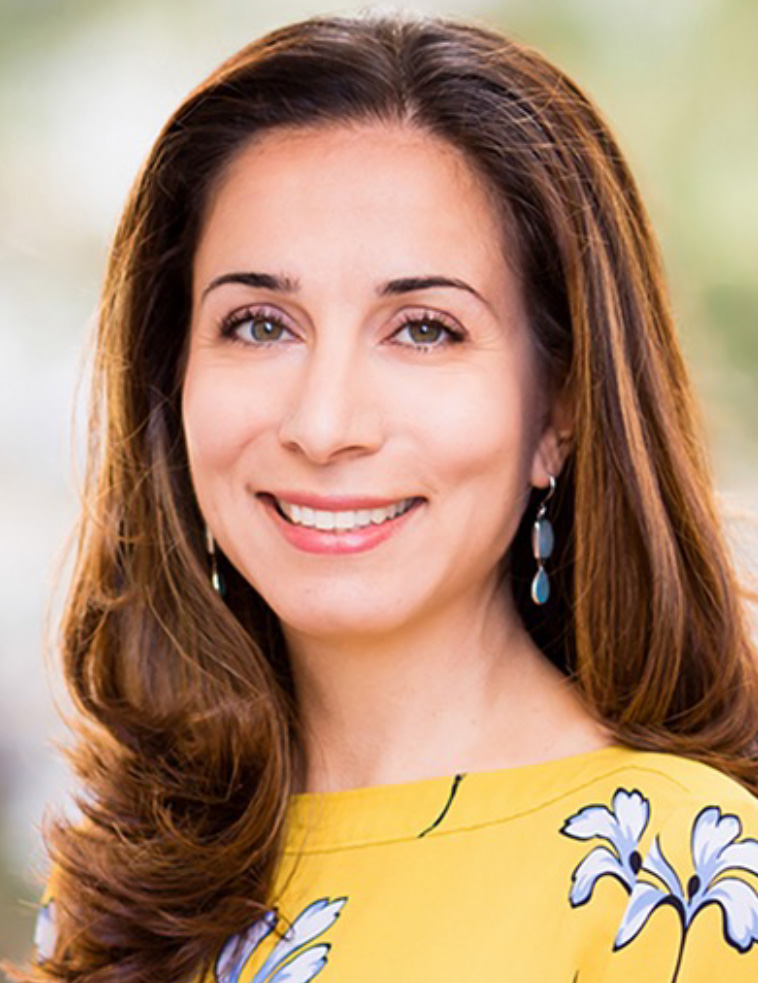
Rita Mukhtar, MD
Professor of Surgery
Division of Surgical Oncology
University of California,
San Francisco, CA
Dr. Rita A. Mukhtar, MD, is a Professor of Surgery in the Division of Surgical Oncology at the UCSF. She earned her medical degree from the UCSF School of Medicine and completed both her general-surgery residency and a fellowship in breast surgical oncology at UCSF.
Dr. Mukhtar’s research focuses on invasive lobular carcinoma, the second most common type of breast cancer. She leads clinical and translational studies examining treatment response, surgical outcomes following neoadjuvant therapy, and prognostic factors in lobular breast cancer. Her work is supported by major funding from the American Cancer Society and the National Cancer Institute, reflecting the significance of her contributions to improving care for this distinct breast cancer subtype.
In her clinical practice, Dr. Mukhtar provides advanced breast-surgery procedures, including skin-sparing and nipple-sparing mastectomies, breast-conserving surgery, wire localization for biopsy, and sentinel lymph-node biopsy. She is committed to delivering individualized, patient-centered surgical care.
In addition to her clinical and research roles, Dr. Mukhtar serves as Associate Program Director for the UCSF General Surgery Residency, where she plays a key role in surgical education and training. Her work across research, clinical care, and mentorship continues to shape surgical approaches and improve outcomes for patients with breast cancer..
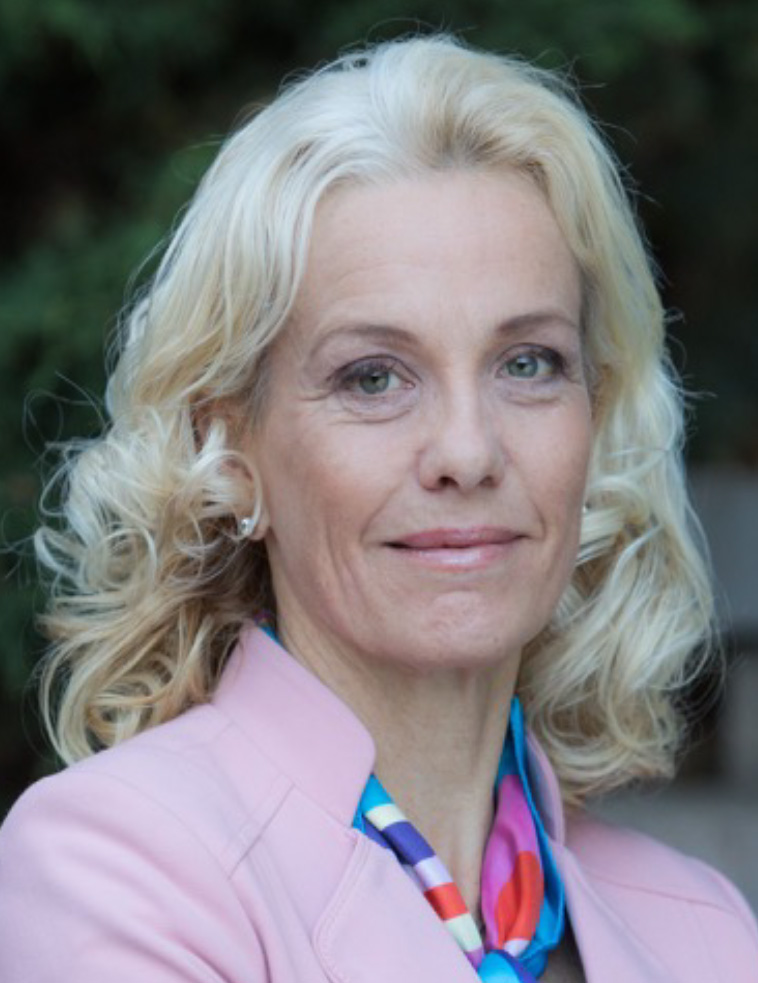
Pamela N. Munster, M.D.
Professor, Department of Medicine (Hematology/Oncology), UCSF
Director, Early Phase Clinical Trials Unit, UCSF Helen Diller Family Comprehensive Cancer Center
Founder, CSA, Director, Alessa Therapeutics
San Francisco, CA
Dr. Pamela N. Munster is a Professor in the Department of Medicine (Hematology/Oncology) and a medical oncologist who cares for patients with breast cancer. At UCSF, she serves as Director of the Early-Phase Clinical Trials Program, Co-Director of the UCSF Center for BRCA Research, and Co-Leader of UCSF’s Program in Developmental Therapeutics, which advances innovative strategies to treat advanced cancer. Dr. Munster earned her medical degree from the University of Bern in Switzerland, completed an internal medicine residency at Indiana University Health, and pursued a fellowship in hematology and oncology at Memorial Sloan Kettering Cancer Center, where she later served as breast cancer faculty. She went on to serve as Scientific Director of Breast Research and Co-Chair of the Phase 1 Clinical Trial Program at Moffitt Cancer Center before joining UCSF.
Her clinical and translational research focuses on first-in-human early-phase trials of novel compounds and innovative strategies for cancer treatment and prevention. Since 1998, she has worked to translate preclinical discoveries into early-stage clinical trials, integrating pharmacokinetics, pharmacodynamics, molecular imaging, and correlative studies. Her laboratory examines mechanisms of treatment resistance, including changes in gene expression, epigenetic modification, hormone-therapy resistance, and immune-based approaches to tumor control. She has published extensively in scientific journals and frequently lectures on metastatic breast cancer, hormone receptors, clinical trial design, and translational oncology.
She is also the founder, CSA, director of Alessa Therapeutics, created to develop sustainable, localized drug-delivery strategies that enable the early interception and prevention of cancer. Dr. Munster is the author of the memoir Twisting Fate: My Journey with BRCA – From Breast Cancer Doctor to Patient and Back.
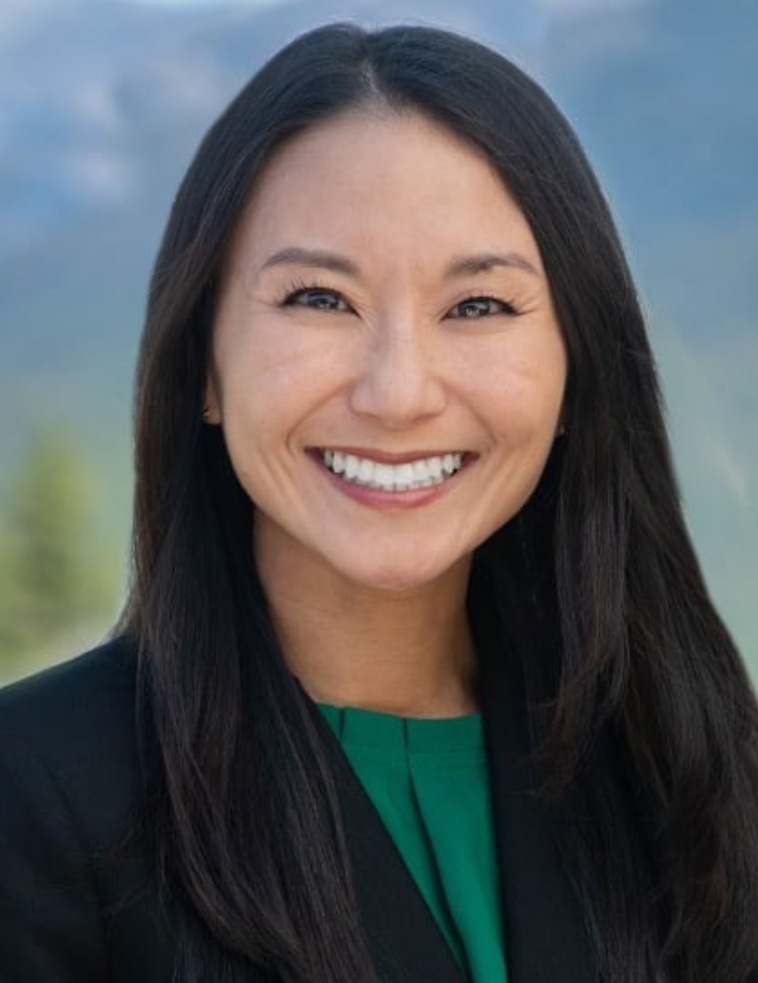
Kelsey Natsuhara, MD
Assistant Professor
University of California, San Francisco (UCSF)
San Francisco, CA
Dr. Kelsey Natsuhara is a medical oncologist who specializes in caring for patients with breast cancer. She has expertise in addressing all stages of the disease.
In her research, Dr. Natsuhara studies cancer care delivery, focusing on improving access to high-quality care and clinical trials (studies of promising treatments) through digital tools, such as telehealth. She also has an interest in clinical informatics, using large real-world datasets to study outcomes for patients with cancer. She received a Young Investigator Award from the American Society of Clinical Oncology (ASCO) for her telehealth work and serves on the ASCO Trainee and Early Career Advisory Group. She earned her medical degree at Harvard Medical School. She completed a residency in internal medicine and a fellowship in hematology-oncology at UCSF, serving as both chief resident and chief fellow.
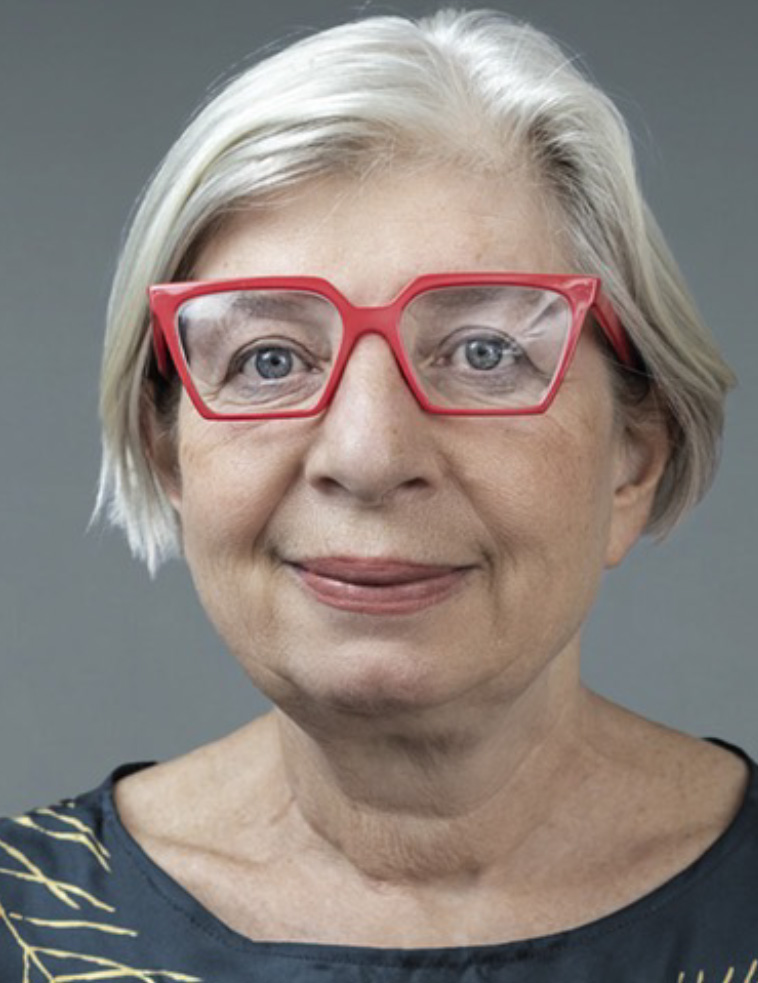
Yelena Novik, MD
Deputy Director, Bellevue Cancer Center,
Professor
NYU Cancer Center at NYU Langone Medical Center
New York, NY
Dr. Yelena Novik is board certified in medical oncology and specializes in breast cancer at NYU Langone’s Perlmutter Cancer Center. She provides comprehensive care across all stages of disease, with a focus on prevention, survivorship, and optimizing quality of life. Her clinical interests include early detection, risk reduction, and managing long-term effects of breast cancer treatment. Dr. Novik’s research focuses on improving patient outcomes through evidence-based, patient-centered approaches and participation in clinical trials.
After completing her medical training at Moscow State University of Medicine and Dentistry, Dr. Novik completed her residency in internal medicine and fellowship in hematology and oncology at Montefiore Medical Center in New York. She has been actively involved in academic medicine and clinical research and serves as a Professor of Medicine at NYU Grossman School of Medicine.
Dr. Novik is a Fellow of the American College of Physicians and has been recognized as a New York Super Doctor. She is actively involved in clinical research oversight through institutional review board participation and is a member of leading oncology organizations. She sees patients at NYU Langone Health.
Coral O. Omene, MD, PhD
Associate Professor of Medicine
Program Director, Breast Cancer Disparities Research
Division of Medical Oncology
Rutgers Cancer Institute
New Brunswick, NJ
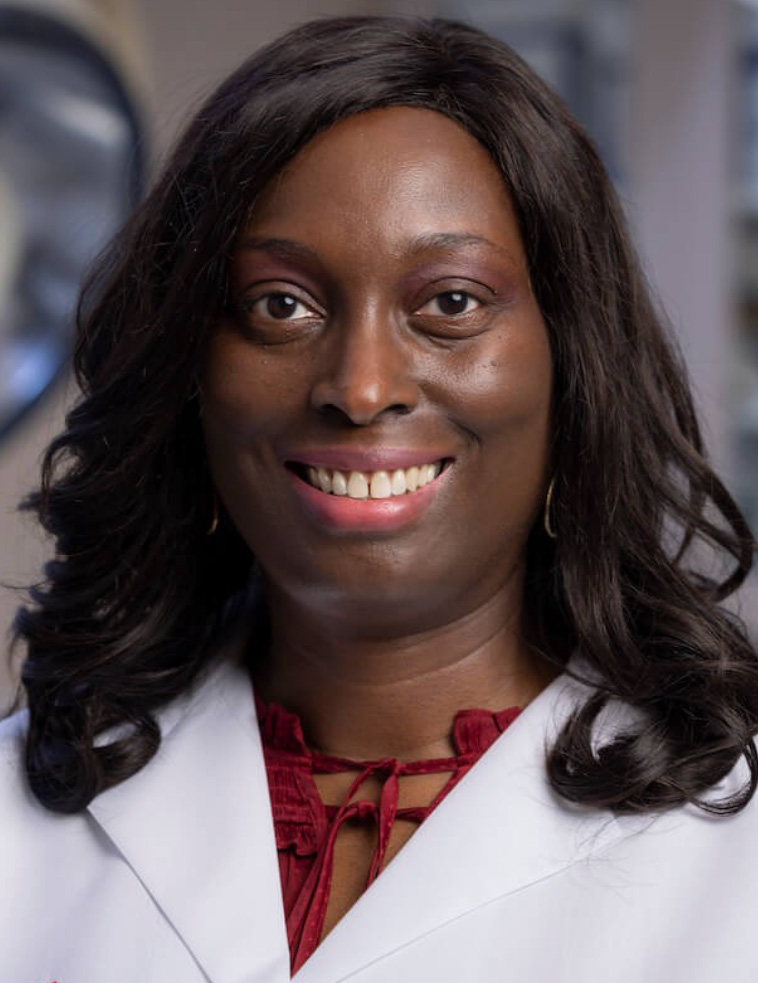
Dr. Omene is a medical oncologist with a dedicated focus on women’s health and the care of a diverse population of breast cancer patients. She is committed to treating the whole patient and values a lifelong, collaborative doctor–patient relationship. At Rutgers Cancer Institute, she works closely with a multidisciplinary team—including medical, surgical, and radiation oncologists, nurses, social workers, pathologists, and radiologists—to deliver comprehensive care that addresses medical, social, and emotional needs. She strongly believes clinical trials are essential to improving outcomes and routinely discusses trial opportunities with her patients. She earned a combined MD/PhD from Columbia University College of Physicians and Surgeons, where her doctoral work focused on BRCA1 and BARD1 and mechanisms of tumor suppression. She completed an Internal Medicine residency at NewYork-Presbyterian Hospital/Columbia University Medical Center and developed a strong interest in triple-negative breast cancer (TNBC), particularly its aggressive biology and disproportionate impact on young Black women. Dr. Omene pursued Hematology/Oncology fellowship training at NYU School of Medicine with a specialization in breast cancer. At NYU, she received the Dean’s Scholar–NYU Physician Scientist Training Program award and became the first recipient of the Breast Cancer Research Fellowship at NYU Langone Medical Center.
Her research studies include the impact of obesity on breast cancer outcomes, including recurrence, biological changes, and interventional strategies, with a focus on TNBC in Black women. She serves as Program Director for breast cancer disparities research at Rutgers Cancer Institute and is site Principal Investigator for multiple industry and cooperative group studies, including the I-SPY2 neoadjuvant trial. Nationally, she is Co-chair of the BIG TEN Cancer Research Consortium Breast Cancer Clinical Trial Working Group and Co-chair of the BIG TEN Diversity Committee, and she regularly participates in major scientific meetings such as ASCO, AACR, and the San Antonio Breast Cancer Symposium.
Joyce O’Shaughnessy, MD
Professor
Chair, Breast Cancer Research Program
Baylor University Medical Center
Texas Oncology/US Oncology Network
Dallas, TX
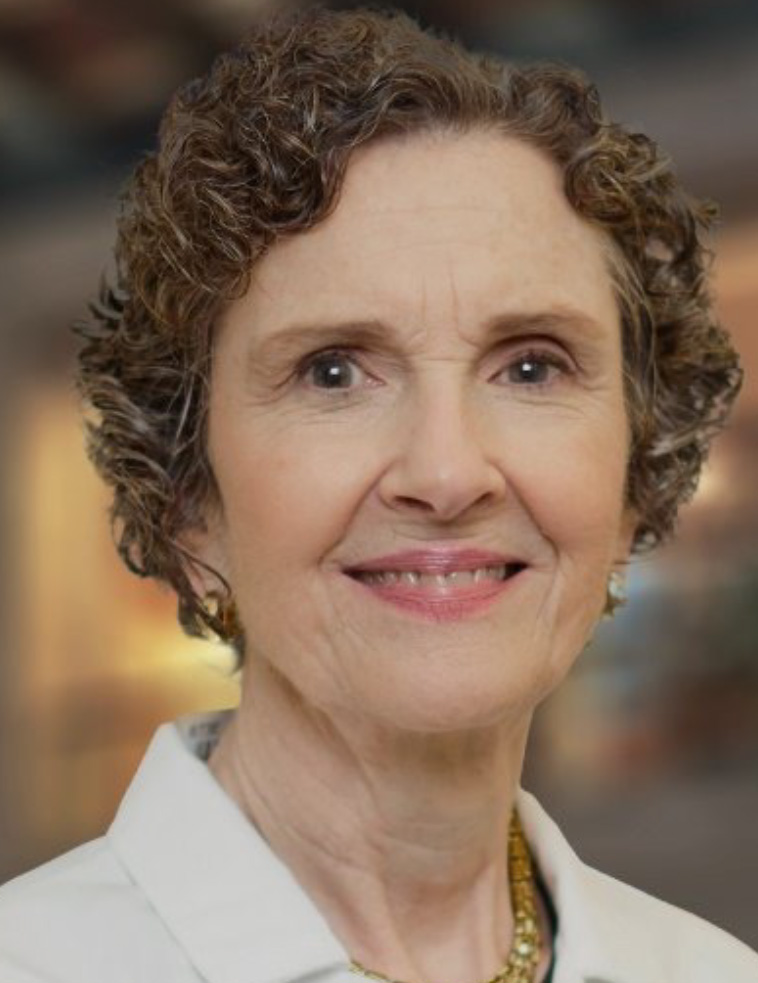
Dr. O’Shaughnessy is the Celebrating Women Chair in Breast Cancer Research at Baylor University Medical Center, and Chair of Breast Cancer Research for the US Oncology Network in Dallas, TX. Dr. O’Shaughnessy specializes in medical oncology and focuses her practice and clinical research on breast cancer treatment. She founded The School of Breast Oncology, a program providing a curriculum-based program focused exclusively on breast cancer clinical management.
She earned her medical degree from Yale University School of Medicine and completed her residency in Internal Medicine at Massachusetts General Hospital, and fellowship in Medical Oncology from the National Cancer Institute. She has authored or co-authored more than 250 peer-reviewed articles that have been published in journals such as Breast Cancer Research and Treatment, Clinical Breast Cancer, Journal of Clinical Oncology, and Annals of Oncology. Dr. O’Shaughnessy serves as Diplomate of the American Board of Internal Medicine and National Board of Medical Examiners. She is a member of the American Association for Cancer Research, American Society of Clinical Oncology, American Medical Women’s Association, and Texas Medical Association.
Tanmayi Srinivas Pai, MD
Assistant Professor,
Department of Hematology and Medical Oncology
Division of Medical Oncology,
Emory University School of Medicine
Atlanta, GA
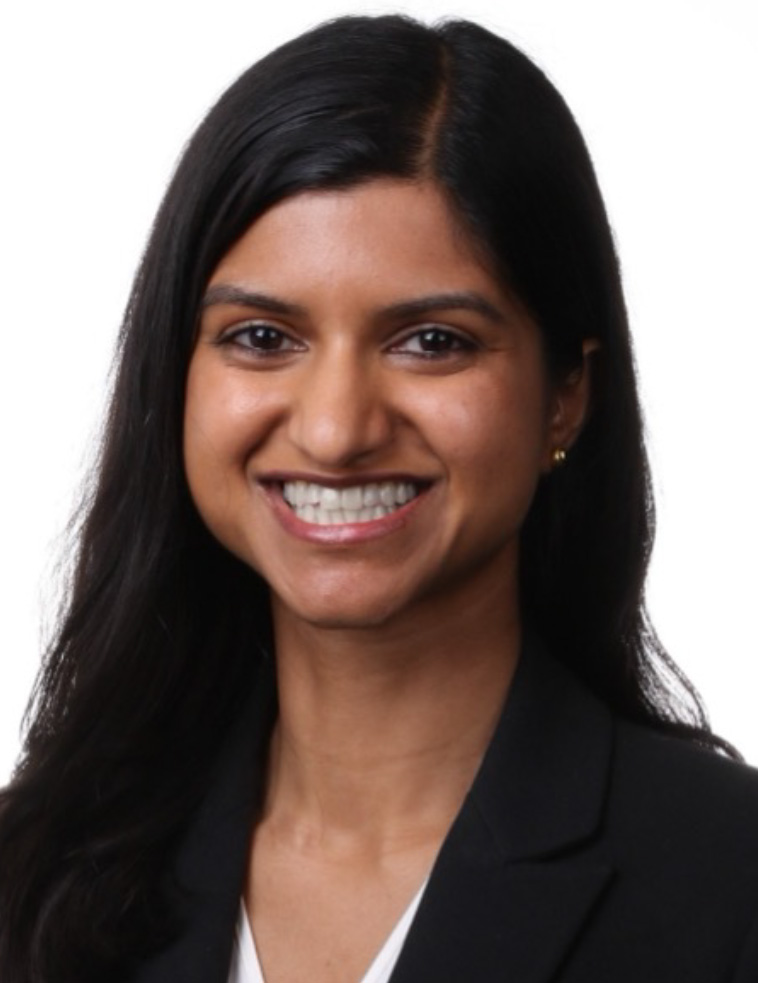
Tanmayi Pai, MD, is a board-certified medical oncologist at Emory University’s Winship Cancer Institute in Atlanta, Georgia. She is also an assistant professor in the Department of Hematology and Medical Oncology at Emory University School of Medicine. She earned her medical degree at Mayo Clinic Alix School of Medicine in Rochester, Minnesota. She completed her internal medicine residency and hematology/medical oncology fellowship at the Mayo Clinic in Jacksonville, Florida, where she also served as chief fellow in her final year of training. In addition to treating patients with breast cancer, she is a clinical investigator with research interests centering on lobular breast cancer and breast cancer survivorship, especially the intersection of metabolic health and cancer survivorship/risk reduction. She has earned recognition for her research efforts with an Early Investigator Award and a Lobular Breast Cancer Alliance Research Abstract Merit Award at the San Antonio Breast Cancer Symposium.
She is also passionate about trainee education and mentorship, having served as a member of ASCO’s Medical Education Community of Practice’s mentorship working group and the ASCO Trainee and Early Career Advisory Group. Her goals as a clinical investigator are to 1) improve the diagnostic evaluation of lobular breast cancer and 2) develop lifestyle and pharmacological interventions that will augment the efficacy of her patients’ cancer treatment and improve patients’ physical functioning and wellbeing.
Tuya Pal, MD
Professor of Medicine
Division of Genetic Medicine and Clinical Pharmacology
Vanderbilt University Medical Center
Nashville, TN
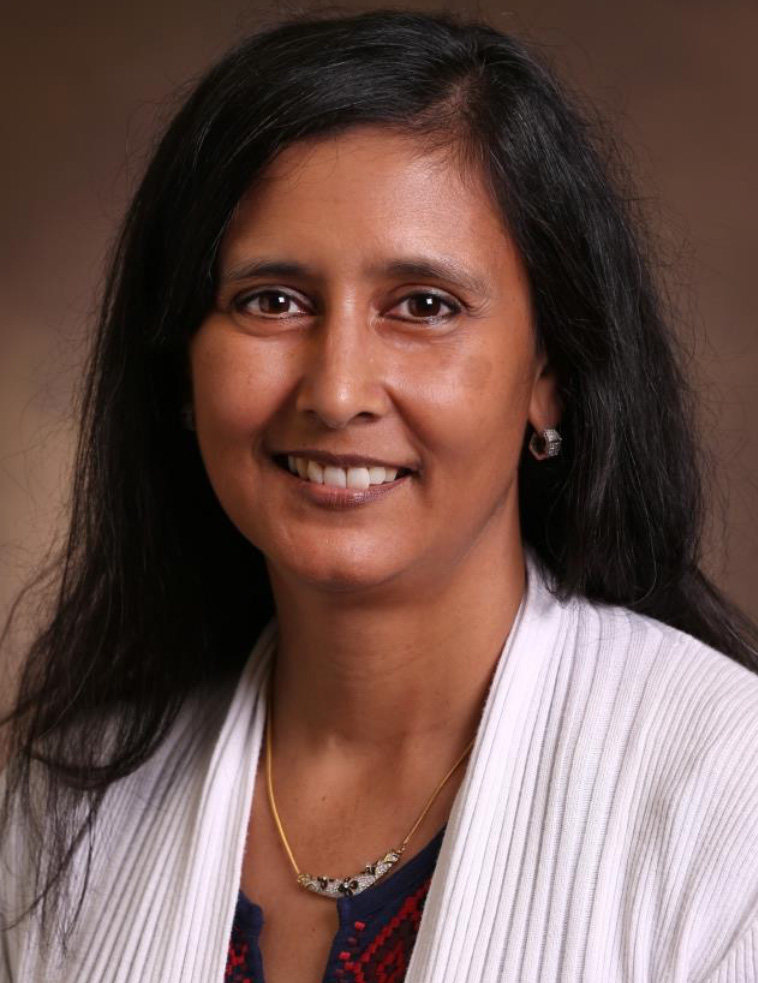
Dr. Tuya Pal, MD, is a Professor of Medicine in the Division of Genetic Medicine and Clinical Pharmacology, Department of Medicine, and an Ingram Professor of Cancer Research at Vanderbilt University Medical Center.
She is a board-certified practicing clinical cancer geneticist, with her clinical activities solely focused on evaluation and management of patients with or at risk for inherited cancer. She is also the vice chair of the National Comprehensive Cancer Network Genetics/Familial Guidelines Committee for Breast, Ovarian and Pancreatic Cancer; as well as the Editor-in-Chief for the National Cancer Institute’s Cancer Genetics PDQ Editorial Board.
Dr. Pal is a physician scientist, with research focused on inherited cancer risks across basic and clinical services as well as health services delivery across all populations. These include a focus on alternative models to streamline and scale up care delivery for individuals at-risk for inherited cancer across rural and urban settings; as well as refine and test interventions to improve follow-up care for those with inherited cancer. Since 2005, she has conducted studies to better understand genetic and non-genetic factors associated with the etiology and outcomes of breast cancer among young Black women, including a focus on the molecular characterization of triple-negative breast cancers.
Dr. Pal founded the Inherited Cancer Registry (ICARE) Initiative over a decade ago, which is among the largest research registries focused on inherited cancers in the country. Through these efforts, she has partnered with providers across the United States and beyond to grow the registry and conduct translational studies while providing opportunities for education and engagement for patients and providers.
Mark Pegram, MD
Suzy Yuan-Huey Hung Endowed Professor
Professor of Medicine
Medical Director of the Stanford Clinical Translational Research Unit
Associate Dean for Clinical Research Quality
Stanford University School of Medicine
Associate Director of Clinical Research
Stanford Comprehensive Cancer Institute
Stanford, CA
Dr. Pegram is the first director of the Breast Cancer Oncology Program at Stanford Women’s Cancer Center and the Susy Yuan-Huey Hung Professor of Oncology. He is also the co-director of Stanford’s Molecular Therapeutics Program. He is a renowned clinician and scholar in breast cancer research and a leader in translational medicine. Dr. Pegram played a major role in developing the drug Herceptin as a treatment for HER2-positive breast cancer, which constitutes about 20 percent of all cases. His laboratory experiments demonstrated that combining Herceptin with chemotherapy effectively killed cancer cells that overproduced the growth factor HER2. Dr. Pegram and others then conducted clinical trials showing that Herceptin improved survival rates and even cured some breast cancer patients. This remains one of the premier examples of bench-to-bedside translational research. Dr. Pegram’s current research efforts include a continued focus on the cancer-associated gene that encodes HER2 and developing new ways to target cancer cells expressing this protein. He is also pursuing strategies to target estrogen receptors, implicated in some 70 percent of all breast cancer cases.
Dr. Pegram earned his undergraduate and medical degrees from the University of North Carolina before joining the faculty of the University of California, Los Angeles. He spent five years at the University of Miami Miller School of Medicine, where he was a Sylvester Chair professor of medicine in the Braman Family Breast Cancer Institute and associate director for clinical research in the University’s Sylvester Comprehensive Cancer Center. He joined the Stanford faculty in 2012.
Edith A. Perez
Chief Medical Officer
Cornerstone Specialty Network, LLC
Kenwood, CA
Dr. Edith A. Pérez is the Serene M. and Frances C. Durling Professor of Medicine at the Mayo Clinic Alix School of Medicine and Director of the Breast Cancer Translational Genomics Program, with a supplemental consultant appointment in Hematology/Oncology at Mayo Clinic Jacksonville. She earned her B.S. in Biology, magna cum laude, from the University of Puerto Rico, Río Piedras Campus in 1975, and her M.D. from the University of Puerto Rico School of Medicine. Dr. Pérez completed her internal medicine residency at Loma Linda University Medical Center and a hematology/oncology fellowship at the Martinez VA Medical Center through UC Davis School of Medicine, and is board-certified in internal medicine, hematology, and medical oncology.
Her research focuses on translational genomics and the development of targeted and immuno-oncology therapies in breast cancer, particularly HER2-positive disease, as well as advancing health equity in clinical trials. Dr. Pérez has authored over 700 peer-reviewed articles, books, and abstracts, serves on multiple journal editorial boards, and is frequently invited to speak at national and international meetings. She holds leadership roles with the Alliance for Clinical Trials in Oncology, the American Association for Cancer Research, the American Society of Clinical Oncology, and the National Cancer Institute.
Emanuel Petricoin III, PhD
Distinguished University Professor
Co-Director
Center for Applied Proteomics and Molecular Medicine
George Mason University
Fairfax, VA
Dr. Emanuel F Petricoin has been the Co-Director of the Center for Applied Proteomics and Molecular Medicine (CAPMM) at George Mason University since 2005, where he is a University Professor. Prior to this position, he served as Co-Director of the FDA-NCI Clinical ProteomicsProgram and a Senior Investigator within the Center for Biologics Evaluation and Research at the FDA from 1993-2005. Dr. Petricoin received his PhD in Microbiology from the University of Maryland in 1990. The focus of the CAPMM is the invention and use of proteomics technologies for personalized therapy, and biomarker discovery.
He is a co-founder of 3 life science companies. Dr. Petricoin’s expertise includes, precision
oncology, precision medicine, development of genomics and proteomics-based companion diagnostics, proteomics and protein biomarkers, cell signaling, molecular diagnostic assay development, biologics and cellular therapeutics regulation, as well as artificial intelligence-based algorithms for therapy matching and precision oncology efforts.
He has co-authored 525 publications (H-Index 119) and is a co-inventor on over 40 filed and published patents. He has received numerous awards including the Distinguished University Professorship at George Mason University, the NIH Director’s Award, FDA Distinguished Scientist Award, 2015 Innovator of the Year Award, GAP50 Top Virginia Entrepreneurs, Nifty 50 Award, American Society of Cytopathology Basic Research Award, the Roche Diagnostics/CLAS Distinguished Scientist Award, and the Harvard University Leading Edge Award and is a Kentucky Colonel.
Dr. Petricoin is a member of the Board of Directors for the Gateway for Cancer Research Foundation, serves on the AACR Exploratory IND Clinical Trials Task Force, and has served as the GMU faculty representative to the George Mason Research Foundation, the GMU faculty representative to the Virginia Biosciences Health Research Committee, and faculty representative to the GMU Board of Visitors. He currently serves on the Distinguished University Professor Committee.
Jennifer Rosenbluth, MD, PhD
Associate Professor, Medicine
Sulochana Pradhan, MD Distinguished Professor in Breast Cancer
University of California
San Francisco, CA
Dr. Jennifer Rosenbluth, MD, PhD, is an Associate Professor of Medicine at the University of California, San Francisco and a breast cancer medical oncologist in the UCSF Breast Oncology Program. Her research focuses on understanding how breast cancer develops and why tumors vary in their response to therapy. Her laboratory uses patient-derived organoid models and molecular approaches to study breast cancer biology and to translate insights from clinical research into new strategies for prevention and treatment.
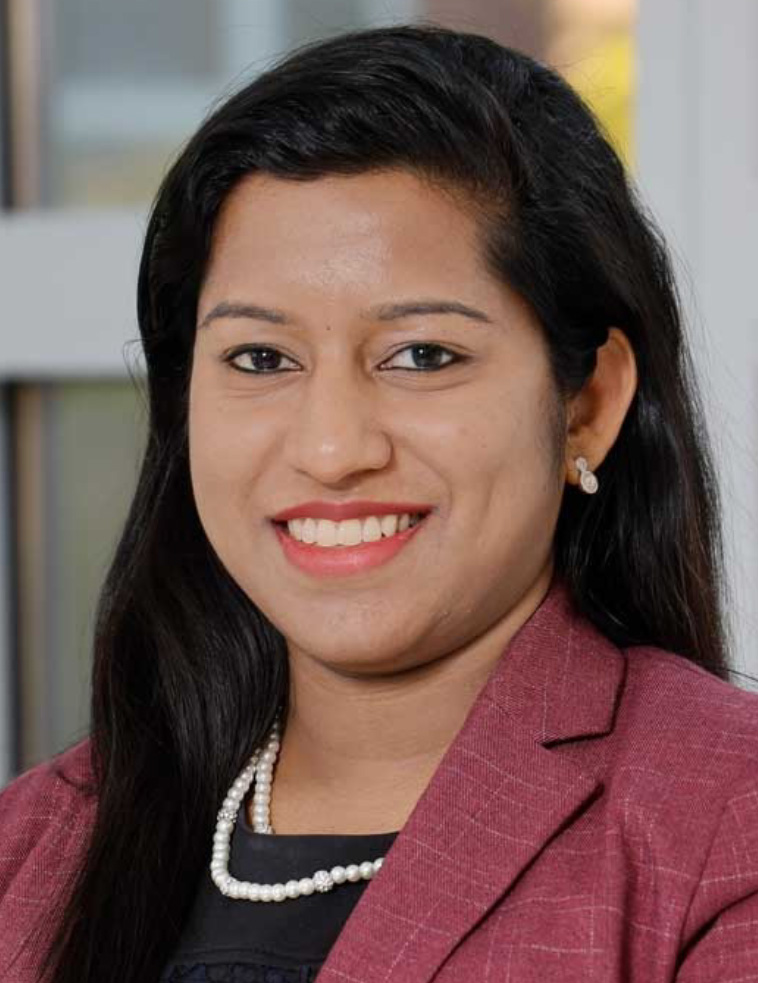
Arya Mariam Roy, MD
Physician
Assistant Professor
The Ohio State University Comprehensive Cancer Center
Columbus, OH
Dr. Arya Mariam Roy is a medical oncologist specializing in the treatment of breast cancer. She chose a career in medicine because she is passionate about helping people navigate complex health challenges and live their best lives. When patients come to see her, they can trust that she will prioritize their well-being above all else. Recognizing that every patient is unique, she takes great care to understand each individual’s values and goals when creating personalized treatment plans. Her patients inspire her daily. Their courage and resilience drive her to provide the best care possible, and they continuously motivate her to expand her cancer expertise and pursue innovative therapies to improve outcomes.
In addition to her clinical responsibilities, she actively conducts clinical and translational research. Her work has been widely published in peer-reviewed journals, and she regularly presents and discusses her findings at national and international conferences. She has also received multiple awards for her efforts, including the Robert A. Winn Excellence in Clinical Trial Career Development Grant, which supports clinical research initiatives.
Her academic experience has deeply shaped her as a clinician and researcher. She is an assistant professor at The Ohio State University College of Medicine in the Division of Oncology, and she serves as a mentor—an area she is especially passionate about. Mentorship provides a dual opportunity to guide and teach the next generation of physicians while also learning from their fresh perspectives and ideas. This dynamic exchange helps her refine her clinical skills and broaden her knowledge base. It has also reinforced her commitment to remain at the forefront of medical advancements so she can translate the latest research into tangible improvements in patient care.
Dr. Roy is involved with several professional organizations. She serves as a 2024 Patient Education Ambassador for the nonprofit organization GRACE and is a member of the Trainee & Early Career Advisory Group for the American Society of Clinical Oncology. She is also a member of the American Association for Cancer Research, the American College of Hematology, and the American Medical Association.
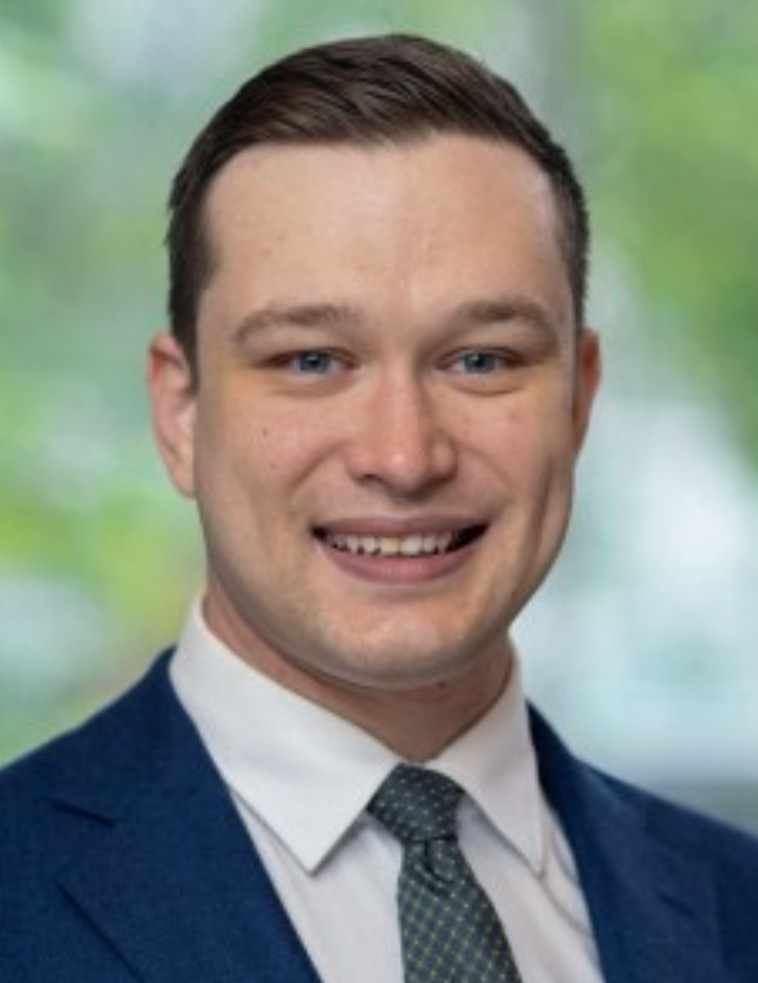
Anton Safonov, MD
Breast Medical Oncologist
Memorial Sloan Kettering Cancer Center
Uniondale, NY
Dr. Anton Safonov is a breast medical oncologist at Memorial Sloan Kettering Cancer Center specializing in the care and treatment of patients with breast cancer. He sees patients at MSK Nassau in Long Island and is dedicated to delivering personalized, compassionate cancer care tailored to each patient’s individual needs and treatment goals. Dr. Safonov earned his medical degree from Yale School of Medicine and completed his internal medicine residency at the Hospital of the University of Pennsylvania, followed by a fellowship in Medical Oncology at Memorial Sloan Kettering Cancer Center. His research focuses on improving the effectiveness of breast cancer therapies through cancer genomics and biomarker development, with the goal of advancing precision medicine and individualized treatment strategies for patients with breast cancer. In addition to his clinical practice, Dr. Safonov has contributed to numerous peer-reviewed publications and translational research efforts focused on tumor biology, immunotherapy, genomic profiling, and treatment optimization in breast cancer. He collaborates closely with multidisciplinary teams across medical, surgical, radiation, and diagnostic oncology to provide comprehensive patient-centered care.
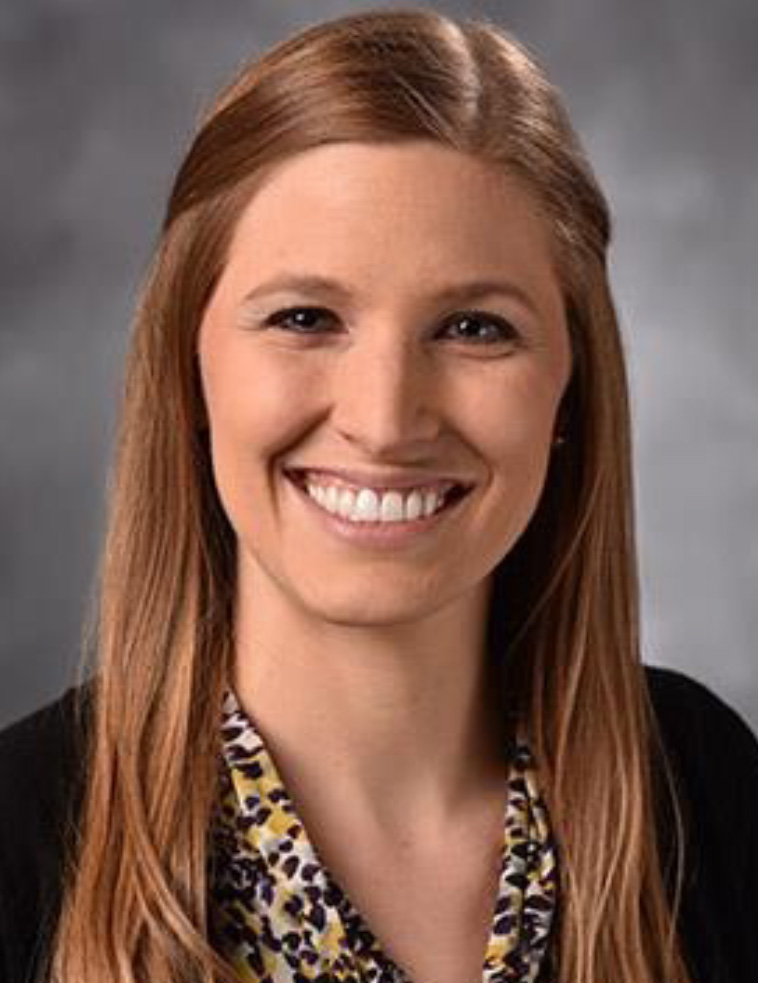
Anna Schreiber, MD
Assistant Professor
Division of Medical Oncology
University of Colorado Anschutz Medical Campus
Aurora, CO
Dr. Anna R. Schreiber, MD is an Assistant Professor in the Division of Medical Oncology at the University of Colorado. She specializes in breast cancer research and developmental therapeutics. With a strong foundation in bioengineering from UC San Diego and a medical degree from the University of Colorado, Dr. Schreiber has cultivated a career at the intersection of clinical care and translational research. Her work focuses on overcoming drug resistance in triple-negative breast cancer and advancing novel therapeutic strategies through preclinical and early-phase clinical trials.
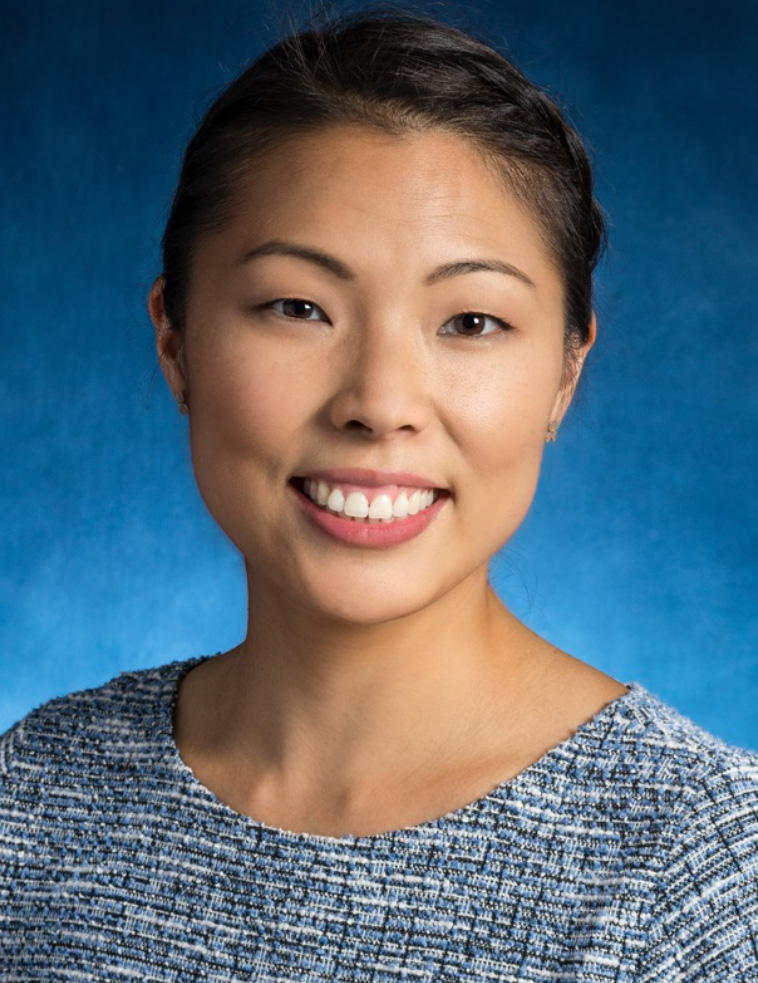
Jenni Yeong-Shin Sheng, MD
Assistant Professor of Oncology
Johns Hopkins University School of Medicine
Baltimore, MD
Jennifer Sheng, M.D., is Assistant Professor of Oncology. As a breast medical oncologist, she focuses on comprehensive survivorship care with emphasis on symptom management, psychosocial aspects of care, and
health promotion (with diet, exercise and interpersonal relationships).
Her prior research includes capturing adverse symptoms of endocrine therapy, identifying scalable tools for early diagnosis of potentially debilitating side effects, understanding health patterns and comorbidities in breast cancer survivors, and exploring strategies to address weight management. Dr. Sheng’s current research focuses on personalizing and adapting weight loss interventions in breast cancer survivors, digitalizing provider and patient education, and enhancing quality of life during and after cancer. She is also conducting studies to understand and improve body composition in breast cancer survivors, pinpoint clinical and CT derived biomarkers that can predict response to lifestyle interventions, and clarify the underlying obesity gene signatures that may impact cancer outcomes and survivorship.
Dr. Sheng received her medical degree at UMDNJ-New Jersey Medical School in 2013 and undergraduate degrees in Biology and Psychology at Rutgers University in 2010. She completed her Internal Medicine training at Temple University Hospital in 2016, and fellowship training in Medical Oncology at Sidney Kimmel Comprehensive Cancer Center (SKCCC) at Johns Hopkins in 2019. As a third-year fellow, she was the inaugural recipient of the 2019 Evelyn H. Lauder Breast Cancer Research Foundation & Conquer Cancer Foundation Young Investigator Award.
Since joining the Johns Hopkins faculty in 2019, her clinical and research goals continue to address the needs of breast cancer patients, especially improving quality of life and addressing comorbidity in breast cancer survivors. In recognition of Dr. Sheng’s innovative ideas and commitment to enhancing the struggles and experiences of patients with breast cancer, she was awarded the 2020 National Cancer Comprehensive Network Young Investigator Award.
Mina S. Sedrak, MD, MS
Associate Professor of Medicine
Division of Hematology and Oncology
UCLA Jonsson Comprehensive Cancer Center
Los Angeles, CA
Dr. Sedrak is a physician-scientist and medical oncologist specializing in the care of older adults with breast cancer and dedicated to improving long-term survivorship outcomes. He holds a tenured faculty position in Hematology/Oncology at UCLA and leads the Cancer & Aging Program as well as co-directing the Cancer Control & Survivorship Research Program at the UCLA Jonsson Comprehensive Cancer Center. His clinical and translational research focuses on the interplay between cancer treatment and aging particularly on understanding how therapies like chemotherapy may accelerate biological aging in cancer survivors, leading to frailty, functional decline, and other long-term health sequelae.
Under his leadership, his team is investigating fundamental mechanisms of treatment-associated accelerated aging (including cellular senescence) and developing “geroscience -informed” interventions such as lifestyle strategies and senolytic therapies to preserve or restore health span for cancer survivors. He has designed and led clinical trials specifically for older adults with breast cancer, systematically addressed barriers to inclusion of older and frail patients in research, and collaborated with regulatory bodies, industry sponsors, and policymakers to expand evidence-based care in this underserved population.
Dr. Sedrak completed his MD at Rush Medical College (2010), followed by residency in Internal Medicine and fellowship in Hematology/Oncology at the University of Pennsylvania School of Medicine. He also earned a Master’s degree in Health Policy at the same institution a strong foundation that helps him bridge clinical medicine, health policy, and patient-centered research.
He has been recognized with honors including the Paul B. Beeson Emerging Leaders Career Development Award from the National Institute on Aging, the Susan G. Komen Rising Star Researcher Award, and most recently an international King Hussein Cancer Research Award Young Investigator Award for his innovative work in cancer and aging.
Victoria Seewaldt, M.D.
Ruth Ziegler Professor and Department Chair Population Science
Professor of Surgery;
Associate Director,
Population Sciences;
Joint Appointment University of Riverside
School of Medicine
City of Hope
Duarte, CA
Victoria Seewaldt, MD is an internationally recognized expert in early detection, biomarker development, and the health science. Dr. Seewaldt previously served on the NIH/NCI Parent Committee and NIH/NCI Board of Scientific Advisors. She currently serves on the EAB for 8 cancer centers and is Associate Director for population health and head of the City of Hope CCC IAB. As an investigator, Dr. Seewaldt leads a bench to community research program focusing on translational bench to community trials identifying molecular targets and multi-disciplinary targets for early detection of biologically aggressive cancers. Dr. Seewaldt has been continuously funded by NIH since 2000 to identify multi-disciplinary strategies to identify early aggressive biology. The unique feature of Dr. Seewaldt’s program is that biomarkers identified in the laboratory can be immediately translated to develop novel pharmacologic agents and improve early breast cancer identification –particularly in Black/African American and Latina/Hispanic women. She was MPI of the U54 University of Riverside-City of Hope partnership in translational research, drug development, and clinical trials. Dr. Seewaldthas worked to integrate COH expertise in multiple programs to receive a P20 SPORE in Lung Cancer
Biological Differences and a grant from Welcome Trust to use multi-omics to investigate the aggressive biology of triple negative breast cancer in women most impacted by this disease. Dr. Seewaldt served as a reviewer and chair for numerous NIH study sections She has worked with 32 new faculty to help them develop successful independent NIH funding; to this end she was awarded the 2017 NIH/CAP/CURE Mentorship Award.
Elena Shagisultanova, MD
Associate Professor
Thomas Jefferson University
Philadelphia, PA
Dr. Shagisultanova is a breast medical oncologist and physician scientist. Her clinical and translational research effort are dedicated to improving outcomes of breast cancer patients through development of novel treatments and overcoming challenges posed by drug resistance. She currently leads an Enterprise Breast Medical Oncology program at Thomas Jefferson University, Philadelphia, PA.
Dr. Shagisultanova has extensive clinical and research training and oncology work experience. After obtaining MD and PhD degrees in her native Russia, she relocated to the US for postdoctoral studies in cancer genomics at Sanford Burnham Medical Research Institute in San Diego and subsequently completed clinical research training at the University of California, San Diego. She completed her residency at the UCSF Health Stanyan Hospital, and hematology-oncology fellowship at Fox Chase Cancer Center. Prior to accepting a leadership position at Thomas Jefferson University, she worked for 10 years as a faculty at the University of Colorado Cancer Center, where she specialized in breast cancer in young women, HER2-positive breast cancer, CNS metastases, and resistance to targeted agents. She is a recipient of multiple research awards from the American Cancer Society, NCI / NCATS, NIH and DOD, as well as competitive grants from industry. She has led two investigator-initiated national clinical trials for patients with HER2+ breast cancer conceived from the groundwork of her translation laboratory. Her lab is currently investigating the molecular interactions between HER2 and PI3K.
Priyanka Sharma, MD
Professor of Internal Medicine, Assistant Director of Clinical Research
Co-Leader of the Drug Discovery, Delivery, and Experimental Therapeutics Program
Vice Chair, SWOG Breast Committee
University of Kansas Medical Center
Kansas City, KS
Priyanka Sharma, MD, is the Frank B. Tyler Professor in Cancer Research at the University of Kansas Medical Center, Assistant Director of Clinical Research, and co-program leader for the Drug Discovery, Delivery & Experimental Therapeutics program at The University of Kansas Cancer Center. She is the institutional principal investigator for SWOG and co-PI for The University of Kansas Cancer Center– Masonic Cancer Alliance NCORP (NCI Community Oncology Research Program Minority/Underserved UG1).
Dr. Sharma’s research interests include clinical and translational research in triple-negative breast cancer (TNBC) and assessment of novel therapeutic strategies for breast cancer. She has led several investigator-initiated trials assessing novel therapeutic agents for breast cancer and continues to serve as principal investigator for many ongoing breast cancer trials, including the ongoing SWOG S2212 (SCARLET) clinical trial for patients with early-stage TNBC. Dr. Sharma is the recipient of several grants including a Department of Defense (DOD) Breakthrough grant, the American Society of Clinical Oncology (ASCO) Advanced Clinical Research Award, The Mary Kay Foundation grant, and a Breast Cancer Research Foundation grant. Dr. Sharma is Vice-Chair of the SWOG Breast Committee and is a member of the SWOG Board of Governors and the NCI Breast Cancer Steering Committee. She is currently Chair of the ASCO Research Committee and serves on the American Joint Committee on Cancer (AJCC) Breast Expert Panel.
Rebecca A. Shatsky, MD
Professor of Medicine
Breast Medical Oncology Co-Team Leader
Scientific Director Inflammatory and Triple Negative Breast Cancer Program
UC San Diego Comprehensive Breast Health Team
La Jolla, CA
Rebecca Shatsky, MD, serves as the breast medical oncology team co-team leader at the UC San Diego Health Moores Cancer Center. She is also the director of the breast cancer clinical trials and of the inflammatory and triple-negative breast cancer program. Dr. Shatsky has expertise in treating all breast cancer subtypes with a particular interest in the treatment of young women with breast cancer, lobular breast cancer, triple-negative breast cancer, metaplastic breast and cancer and breast cancer with brain metastases or leptomeningeal disease. She also started and leads a very active young breast cancer survivor group at UC San Diego.
Dr. Shatsky uses numerous forms of therapy to treat her patients with breast cancer including endocrine therapy, chemotherapy, immunotherapy and molecularly matched targeted therapy. In metastatic breast cancer, she is known for her expertise in the interpretation and use of multi-omics to guide therapy choices.
As an associate professor of medicine at UC San Diego School of Medicine, she is involved in translational research that focuses on the treatment of triple-negative breast cancer and lobular breast cancer and is funded by multiple sources, including grants from the Breast Cancer Research Foundation, the California Initiative to Advance Precision Medicine, CureBound and the alpha clinic. Her work has been published in Nature Medicine, The Journal of Clinical Oncology, JAMA Oncology, Breast Cancer Research, and Molecular Cancer Therapeutics, among others.
Dr. Shatsky serves as the national co-chair of clinical trial operations of the I-SPY2 trial and is a scientific advisory board member for the International Lobular Breast Cancer Alliance. She is a current member of the American Society of Clinical Oncology’s biomarker guideline panel for metastatic breast cancer and has previously been a member of the National Comprehensive Cancer Network (NCCN) guideline panel for genetic/high-risk assessment of breast, ovarian, and pancreatic cancer, and the NCCN panel for the treatment of cancer-associated pain.
She completed a breast cancer-focused clinical and research fellowship in hematology/oncology at UC San Diego School of Medicine, and a residency in internal medicine at UC Los Angeles David Geffen School of Medicine. Dr. Shatsky earned her medical degree from University of Southern California (USC) Keck School of Medicine. She completed undergraduate studies at Cornell University. Dr. Shatsky is board certified in internal medicine, hematology and medical oncology.
Dennis Slamon, MD, PhD
Professor
Chief, and Executive Vice Chair for Research
Department of Medicine
UCLA Medical Center
Santa Monica, CA
Dr. Dennis J. Slamon serves as director of Clinical/Translational Research, and as director of the Revlon/UCLA Women’s Cancer Research Program at JCCC. He is a professor of medicine, chief of the Division of Hematology/Oncology and executive vice chair for research for UCLA’s Department of Medicine.
A 1975 honors graduate of the University of Chicago’s Pritzker School of Medicine, Slamon earned his PhD in cell biology that same year. He completed his internship and residency at the University of Chicago Hospitals and Clinics, becoming chief resident in 1978. One year later, he became a fellow in the Division of Hematology/Oncology at UCLA.
Dr. Slamon has focused his research career on the development of novel therapies for breast cancer. He was presented with the Lasker-DeBakey Clinical Medical Research Award for his revolutionary work in the development and utilization of Herceptin in breast cancer.
Dr. Slamon has practiced medicine and conducted cancer research at UCLA for over 40 years, dedicating his life to improving cancer therapies and the lives of patients around the world.
Corey Speers, MD, PhD
Professor with tenure and Chair
Merle M. Salter Endowed Chair of Radiation Oncology
University of Alabama-Birmingham
Birmingham, AL
Dr. Corey Speers, MD, PhD, is Professor and Merle M. Salter Endowed Chair of Radiation Oncology at the University of Alabama at Birmingham Heersink School of Medicine. He is an internationally recognized breast cancer expert and physician-scientist whose work focuses on improving radiation therapy and developing novel therapeutic strategies for aggressive breast cancers, particularly triple-negative and inflammatory breast cancer.
Dr. Speers earned his MD and PhD through the Medical Scientist Training Program at Baylor College of Medicine and MD Anderson Cancer Center and completed radiation oncology residency and fellowship training at the University of Michigan. He previously served in leadership roles at University Hospitals Seidman Cancer Center and Case Western Reserve University, including Vice Chair of Research and Director of the Phase I Clinical Trials Program. His laboratory integrates genomic and functional approaches to identify predictive biomarkers and therapeutic vulnerabilities in breast cancer.
Dr. Speers has led or helped lead multiple investigator- initiated and cooperative group clinical trials evaluating radiosensitizing strategies, including TBCRC 024, SWOG 1706, and the RiboRT trial. He has authored more than 100 peer-reviewed publications, holds four patents, and has received funding from the NIH, Department of Defense, Breast Cancer Research Foundation, Komen Foundation, and the Hope Foundation. Dr. Speers also serves in national leadership roles, including on the NCCN Breast Cancer Guidelines Panel, and is an editor for npj Breast Cancer and associate editor for the International Journal of Radiation Oncology, Biology, Physics.
Shane Stecklein, MD, PhD
Director, Radiation Oncology Research
Section Chief, Breast Radiation Oncology
Department of Radiation Oncology
Orlando Health Cancer Institute
Orlando, FL
Dr. Shane Stecklein is a board-certified radiation oncologist with Orlando Health Cancer Institute. He is skilled in advanced radiation therapy techniques, including intensity-modulated radiation therapy, stereotactic body radiation therapy, image-guided radiation therapy, total body irradiation, total skin electron therapy and proton therapy
Dr. Stecklein earned a bachelor’s degree in cell biology at the University of Kansas in Lawrence. He received his PhD in molecular and experimental pathology and his medical degree from the University of Kansas School of Medicine in Kansas City. Dr. Stecklein completed a radiation oncology residency at MD Anderson Cancer Center in Houston, where he also completed his research fellowship in experimental radiation oncology.
He is board certified in radiation oncology by the American Board of Radiology. His professional memberships include the American Society for Radiation Oncology, American Association for Cancer Research, American College of Radiology, American Society of Clinical Oncology and American Society of Hematology.
Dr. Stecklein has received numerous research grants, and his work has been published in dozens of peer-reviewed medical journals. He has served as an ad hoc reviewer and on the editorial board for multiple medical publications and contributed book chapters on radiation therapy for breast cancer and lymphoma. He is a member of the Gold Humanism Honor Society, which recognizes physician teachers for excellence and compassion, and Alpha Omega Alpha medical honor society.
Sandra M. Swain, MD, FACP, FASCO
Associate Dean for Research Development
Professor of Medicine
Georgetown University Medical Center
Washington, D.C
Dr. Sandra M. Swain, MD, FACP, FASCO is the Associate Dean for Research Development at the Georgetown University Medical Center (GUMC) and the Vice President of MedStar Genetic Medicine for MedStar Health in Washington, DC. She is also a Professor of Medicine at the Georgetown University School of Medicine. She is a Visiting Professor of Clinical Oncology, Medical Sciences Division, University of Oxford, Oxford UK. In her primary role as Associate Dean for Research Development, Swain works closely with industry and community partners to improve patients’ access to cutting-edge treatments and technologies by expanding medical research opportunities both at GUMC and across the MedStar Health system.
Swain graduated with a Bachelor of Arts (B.A.) in Chemistry from the University of North Carolina in 1975 and earned a Doctor of Medicine (M.D.) from the University of Florida in 1980. She completed a residency in Internal Medicine at Vanderbilt University in 1983 followed by a fellowship in Medical Oncology at the National Institutes of Health, (NIH), National Cancer Institute (NCI) in 1986. She served at the NIH as the Deputy Branch Chief for the Medicine Branch of the Center for Cancer Research at the NCI as a tenured Principal Investigator. Ultimately, Swain became the Head of the Breast Cancer Section, and Chief of the Cancer Therapeutics Branch at NIH. Then, from 2007-2016, she served as the Medical Director of the Washington Cancer Institute at MedStar Washington Hospital Center in Washington, DC.
Dr. Swain’s research interests include translational research and clinical trials focused on metastatic and inflammatory breast cancer, adjuvant therapy for breast cancer, cardiotoxicity, and health care disparities. Her research has received funding from the NIH, Susan G. Komen Foundation, Breast Cancer Research Foundation, and the Avon Foundation. She has published over 300 articles and is internationally recognized as a leader in the field breast cancer research and treatment. Moreover, Swain has received numerous awards and recognitions for her work, including the Susan G. Komen Award of Distinction for Community Service in 2012. She is also a recipient of NIH Merit Award, as well as a two-time recipient of the NCI Mentor of Merit Award. In 2012, she received the Claude Jacquillat Award for Clinical Cancer Research and in 2016, the 3rd Aleksandr Savchuk Prize, Aleksandr Savchuk Foundation. The Washington Business Journal honored Swain with its prestigious Women Who Mean Business award in 2016.
Swain was a member of the American Society of Clinical Oncology (ASCO) Board of directors and served as President from 2012-2013 and is currently a member and secretary of the Conquer Cancer Foundation of ASCO Board of Directors and Chairperson of the Women Who Conquer Cancer. She sits on the Executive Committee of the Georgetown Lombardi Comprehensive Cancer Center at GUMC, actively participates on the NRG Oncology Breast Committee; and co-chairs the Early Breast Cancer Trialists’ Collaborative Group Steering Committee, Oxford UK. She has actively contributed to the National Surgical Adjuvant Breast and Bowel Project (NSABP) or over 30 years, as Vice-Chair of the Breast Committee and Principal Investigator on numerous adjuvant trials for breast cancer. She is a Fellow of the American College of Physicians and ASCO and alsomaintains active membership with both the American Association for Cancer Research and the American Medical Association.
Shou-Ching Tang, MD, PhD, FACP, FRCPC
Associate Dean for Translational Medicine
Frances Zuppardo Endowed Professor in Cancer Research, LSU School of Medicine
Director of Phase I Clinical Trials
Associate Director, Clinical Research, LSU LCMC Health Cancer Center
Director of Phase I Clinical Trials
Hematology and Oncology
Louisiana State University Health Sciences Center
New Orleans, LA
Shou-Ching Tang is a world-renowned clinician scientist and cancer center administrator with a passion for cancer clinical and translational research and breast cancer prevention, diagnosis, and treatment. He is certified in medical oncology by the American Board of Internal Medicine and the Royal College of Physicians and Surgeons of Canada. He currently serves as associate dean of translational research and tenured professor at the LSU Health New Orleans School of Medicine, associate director for clinical research at the LSU LCMC Health
Cancer Center, and director of the phase I clinical trials program.
Dr. Tang earned his doctorate with honors from West China University of Medical Sciences and a PhD degree in molecular biology from the University of Alberta in Edmonton, Alberta, Canada. He completed his medical oncology fellowship at the Princess Margaret Hospital. After graduation, Dr. Tang served as the director of medical oncology and cancer research at the Newfoundland Cancer Treatment and Research Foundation and was a
member of the specialty committee in medical oncology for the Royal College of Physicians and Surgeons of Canada, and the Canadian Association of Medical Oncologists (CAMO).
Dr. Tang’s translational research has focused on oncogenesis, drug resistance, molecular immunology and prognostic and predictive biomarkers. His laboratory discovered the antiapoptotic protein BAG-1 as a prognostic factor in solid tumors; and developed novel BAG-1- targeted therapy. Dr. Tang currently has three active ACS/DOD grants for which he serves as co-investigator or collaborator.
Jessica Tao, MD
Assistant Professor of Oncology
Co-Leader, Johns Hopkins Molecular Tumor Board
Department of Oncology, Breast and Gynecologic Cancers Program
The Sidney Kimmel Comprehensive Cancer Center
Johns Hopkins University School of Medicine
Baltimore, MD
Dr. Jessica Tao is a medical oncologist specializing in breast cancer. She leads the Johns Hopkins Molecular Tumor Board, a multidisciplinary clinical and research effort that interprets tumor genomic profiling and provides precision oncology recommendations for patients across cancer types.
In addition to her clinical practice, Dr. Tao maintains a clinical-translational research program focused on developing novel therapies for patients with breast cancer. Her work centers on identifying and targeting the molecular drivers of individual tumors and elucidating mechanisms of response and resistance to targeted treatments. She also oversees a clinical trial portfolio dedicated to estrogen receptor-positive (ER+) breast cancer, with a focus on understanding and overcoming endocrine resistance. A second major focus of Dr. Tao’s research is the development and application of liquid biopsy approaches, including circulating tumor DNA, for early detection, minimal residual disease assessment, and disease monitoring in breast cancer.
Christos Vaklavas, MD
Professor of Medicine
Division of Oncology
Huntsman Cancer Institute
Salt Lake City, UT
Dr. Christos Vaklavas is a Professor of Medicine, in the Division of Oncology, Department of Internal Medicine and the University of Utah and Huntsman Cancer Institute. Throughout his career, Dr. Vaklavas has developed a broad research program in breast cancer that spans the full spectrum from laboratory investigations to clinical trials.
His laboratory research focuses on mechanisms of mRNA translation and the discovery of compounds that disrupt oncogenic translation. This work has been supported by a Young Investigator Award from the American Society of Clinical Oncology (ASCO) and a Career Catalyst Award in Basic and Translational Research from Susan G. Komen.
As the Breast Cancer Translational Science Lead at Huntsman Cancer Institute, Dr. Vaklavas directs a multidisciplinary research program that integrates laboratory and clinical studies. In this role, he serves as a liaison between laboratory-based scientists and clinical researchers to help translate innovative discoveries into meaningful clinical applications. Dr. Vaklavas serves as the Principal Investigator for numerous clinical trials at the Huntsman Cancer Institute, including participation in major national initiatives like the I-SPY2 and NCI-MATCH trials, which test novel therapies and targeted approaches for cancer treatment.
Marko Velimirovic, MD, MMSc
Physician
Assistant Professor, Clinical Research Division
Fred Hutchinson Cancer Center
Seattle, WA
Dr. Velimirovic is a medical oncologist specializing in hematology and oncology at Fred Hutchinson Cancer Center in Seattle. He provides comprehensive care for patients with cancer, with a focus on integrating the latest advances in systemic therapies into clinical practice. His clinical expertise spans a broad range of malignancies, and he is actively involved in clinical research aimed at improving patient outcomes through innovative therapeutic strategies and participation in clinical trials. His work contributes to advancing precision oncology and translating research findings into meaningful clinical applications. Dr. Velimirovic has extensive experience in internal medicine and oncology, with over a decade of clinical practice. He has trained and worked at leading institutions, including Massachusetts General Hospital and Cleveland Clinic, further strengthening his expertise in cancer care. He earned his medical degree from the University of Belgrade and completed his residency training at Albert Einstein Medical Center. Dr. Velimirovic is also engaged in collaborative global oncology initiatives, contributing to efforts that advance precision medicine and improve access to innovative cancer treatments worldwide.
Neha Verma, MD
Assistant Professor of Medicine
Duke University School of Medicine
Breast Oncology
Durham, NC
Dr. Neha Verma is a breast medical oncologist at the Duke University School of Medicine. She completed her residency and fellowship training at the Johns Hopkins University School of Medicine. She is interested in translational research and clinical trial development investigating novel therapeutic approaches for patients with breast cancer.
Dr. Verma earned her B.S. from University of North Carolina at Chapel Hill in 2015, followed by an M.D. from UNC Chapel Hill School of Medicine in 2019. She completed her Internal Medicine residency (2019–2022) and subsequent Medical Oncology fellowship (2022–2025) at Johns Hopkins University School of Medicine.
As a specialist in breast cancer, Dr. Verma focuses on comprehensive care for patients with early and metastatic disease including young women offering both medical treatment and supportive guidance through every stage of diagnosis, treatment, remission, or end-of-life care.
In addition to her clinical work, she is engaged in translational research and clinical trial development, aiming to bring novel treatment strategies from the lab into the clinic to expand therapeutic options and improve outcomes for breast cancer patients.
Irene Wapnir, MD
Professor of Surgery
Stanford Women’s Cancer Center
Stanford University
Palo Alto, CA
Dr. Wapnir is a leading surgical oncologist specializing in breast cancer. She holds a full professorship in General Surgery at Stanford University and is a long-standing member of the Stanford Cancer Institute. Her clinical and translational research spans decades, with past bench work elucidating the role of the sodium-iodide symporter (NIS) in lactation and breast cancer.
Her research portfolio includes co-chairing the CALOR trial (Chemotherapy for Isolated Locoregional Recurrence of Breast Cancer), which helped define systemic therapy use for women experiencing local recurrence. Stanford Medicine+1 More recently, she has led the design of a novel randomized clinical trial, NORDIS trial evaluating neoadjuvant partial breast irradiation followed by delayed lumpectomy in patients with ductal carcinoma in situ (DCIS). cap.stanford.edu+1 Other institutional studies under her leadership have sought to improve surgical outcomes: for example, optimizing skin perfusion in nipple-sparing mastectomies, evaluating tattoo-based techniques for marking biopsied axillary lymph nodes, and developing biological breast reconstruction using omental free flaps and fat grafting.
Dr. Wapnir earned her MD in 1980 from Universidad Autónoma Metropolitana, Mexico City. Before that, she completed a BA in Biological Sciences in 1975 at Goucher College, Baltimore. Her postgraduate surgical training included internship and general surgery residency at Lincoln Medical and Mental Health Center, New York, followed by a fellowship in breast surgery at Rutgers Robert Wood Johnson Medical School in New Jersey.
Her current research interests revolve around improving therapeutic strategies for breast cancer particularly minimizing morbidity while maximizing oncologic safety as well as exploring locoregional recurrence biology, surgical innovation, and reconstructive techniques to enhance patient outcomes.
Yuan Yuan, MD, PhD
Professor, Cedars-Sinai Medical Center
Health Sciences Clinical Professor, UCLA
Director, Breast Medical Oncology Medicine, Cedars-Sinai Medical Center
Medical Director, Breast Oncology Disease Research Group, Cedars-Sinai Medical Center
Los Angeles, CA
Dr. Yuang is a Professor of Medicine and Director of Breast Oncology, as well as Medical Director of Breast Cancer Research at Cedars-Sinai Medical Center and also serves as a Health Sciences Clinical Professor at UCLA. She holds an MD from Xuzhou Medical College, a Master of Oncology from Peking Union Medical College Hospital, and a PhD from the University of California, Riverside, followed by postdoctoral training in immunology at The Scripps Research Institute.
Her research centers on translational and clinical studies of novel therapeutics in early-stage and metastatic breast cancer, with active leadership of multiple clinical trials across ER+/HER2– and triple-negative breast cancer. She serves as the institutional principal investigator for the pending ISPY-2 neoadjuvant trial at Cedars-Sinai and maintains a strong focus on mechanisms of tumor resistance to immunotherapy, antibody–drug conjugates, and PIK3CA/AKT/mTOR pathway inhibitors.
Dr. Yuang devotes 50% of her professional effort to clinical and translational research and has successfully led several investigator-initiated studies, including trials evaluating letrozole/palbociclib/pembrolizumab (NCT02778685), AR-targeted therapy GTx-024 with pembrolizumab (NCT02971761), and ipatasertib-based combinations in metastatic TNBC (NCT03853707). She has served as PI for the ISPY-2 neoadjuvant trial and a phase I study of ivermectin plus balstilimab (NCT05318469). She also leads a Cedars-Sinai IRB study investigating mechanisms of therapeutic resistance using advanced genomic, transcriptomic, and digital patient organoid platforms.